How to make friends with stress? Doctors say: rest is the best way to help
Autumn is just around the corner, and summer holidays seem to be a thing of the past. School, work and other commitments have managed to get us so caught up in the whirlwind that it’s getting harder to recover, and stress and tiredness are becoming more and more frequent companions.
We live in "sick" buildings
K. Ramanauskas, says that the day of a standard metropolitan resident usually looks like this: the morning starts around 6am, the children have to be taken to school, then there is work, and after work, perhaps, you have to pick up the children from their classes, have dinner together, and then it’s almost time to go to sleep.
He is echoed by A. Balčius, the medical director of Draugystės Sanatorium, who adds that we spend a lot of time in poorly ventilated, artificially heated rooms. In addition, air pollution, especially in big cities, is enormous.
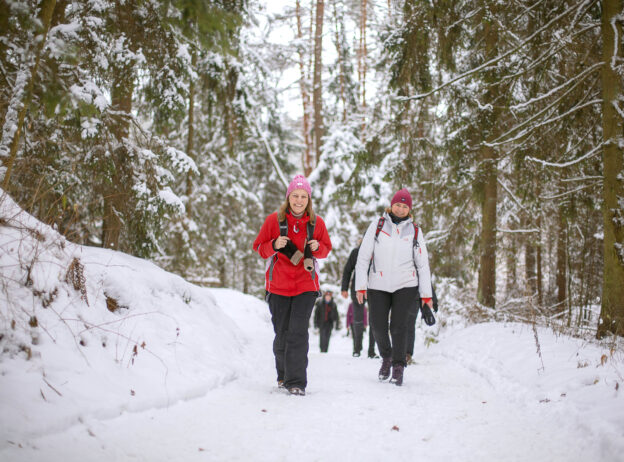
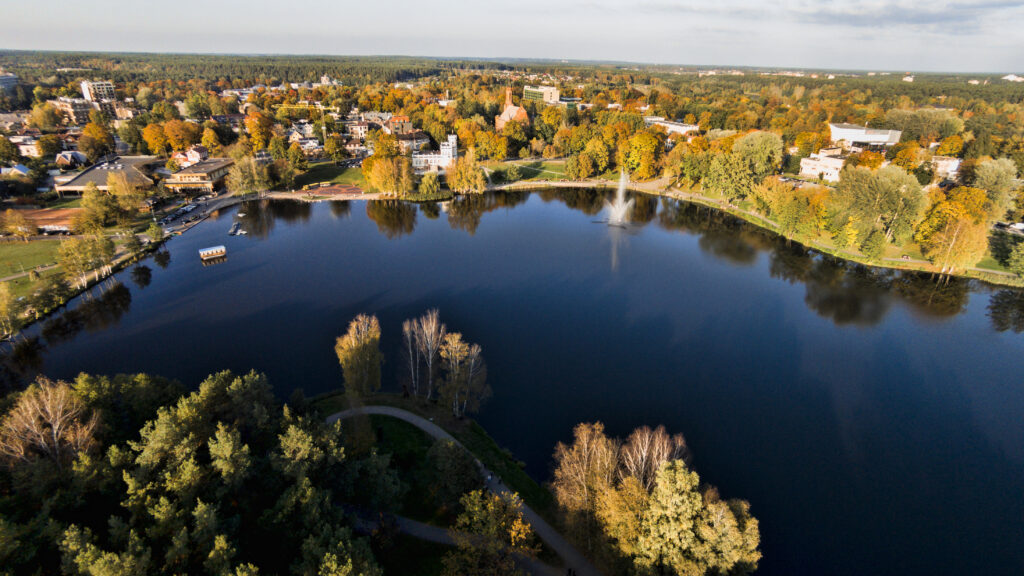
We live in “sick” buildings with no natural air, he says, and stresses the need to get out of this “stifling” routine and into nature: “Lithuania is great because you don’t have to go far to get away from the hustle and bustle of the city. For example, the resort of Druskininkai is only an hour away for Vilnius and Kaunas residents, and it has parks, forests and walking trails. In Druskininkai, everything is close by, from natural resources such as landscapes, greenery, the bend of the Nemunas River, to infrastructure for active and passive recreation.”
He goes on to say that indoors we are not affected by many natural factors such as air temperature, wind speed; the volatile substances emitted by plants are useful in fighting bacteria, fungi and viruses; we do not receive negative aerosols that make us feel better, and we should try to spend as much time as possible in the fresh air to relax: “For thousands of years, we have lived in nature and received information from natural stimuli, which our bodies have adapted to and helped us survive. Now we are sitting indoors where nature doesn’t affect us and the body is getting lazy, but we need to take care of our bodies.”
Importantly, taking care of the body and giving it the rest it needs helps to develop the adaptive skills needed to live comfortably and healthily under stress. According to Balčius, we cannot avoid stress in our lives – it is a normal human condition that helps us adapt to changing life conditions, but it is important to know how to manage it.
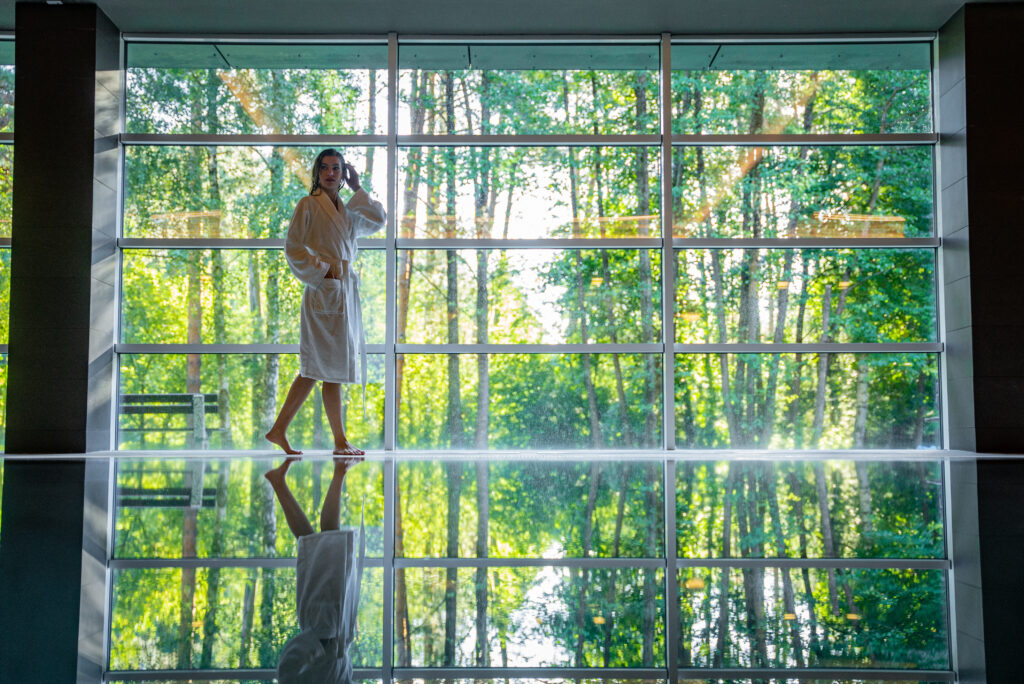
Ramanauskas echoes him, adding that rest is important for both restoring health and preventing disease: “If you feel tired, the world will not fall apart in three or four days a month, and if you are close to exhaustion, it can take more than a week to regain your balance, so it is important to take time not only for yourself, but also to take a break from your social networks, your cares, and your usual environment”.
Health problems are being tackled at a younger age
According to K. Ramanauskas, there is a tendency for younger and younger people to seek health care and treatment, both because of the growing popularity of longevity and because of declining health.
“Young people just over 30 are increasingly coming to spas because of burnout and spinal problems caused by sedentary work. They realise that physiotherapy, mineral or other baths, massages and other treatments are already necessary to stay mobile. Muscles start to spasm when they are in the same position, and without exercise, problems start early. A person needs both morning exercise and physical exercise,” explains the doctor.
He adds that even smartwatches, which are supposed to encourage activity, sometimes do more harm than good: “People relax because they have already taken the right steps, but physical activity is not just about walking. Movement needs to be continuous.”
Rest is not laziness
According to Balčius, a quality life requires balance, and the 8-hour rule can help maintain it: 8 hours for work, 8 hours for activities and 8 hours for sleep. The doctor notes that work is very important in people’s lives, and we want to spend more time on it than on rest, but no matter how much of a worker you consider yourself to be, we can only work effectively for about 8 hours.
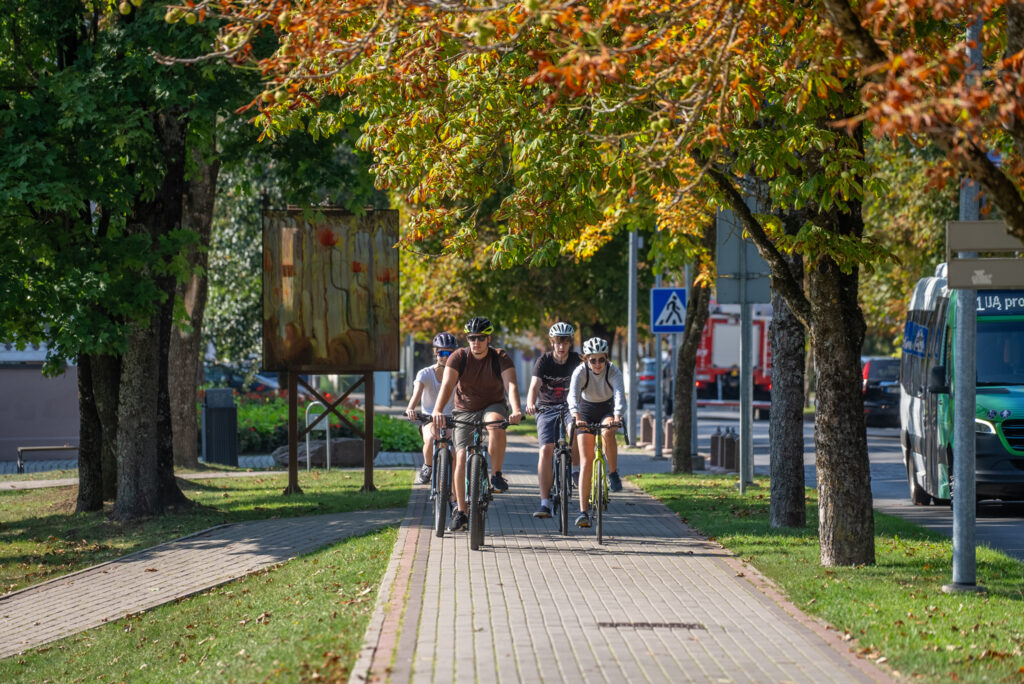
“It doesn’t matter what you do with the remaining 8 hours of wakefulness – it can be socialising with loved ones, staying at home, playing sports, dancing or any other activity that helps us to get the most out of our resources. The key question is how do you understand rest? Is it bed, TV and chips? Or do you prefer to go to yoga, meditation, dance, library, theatre, theatre, plays? Relaxation doesn’t have to be debilitating, but it’s not the same as laziness, which leads to even more stress,” the doctor points out.
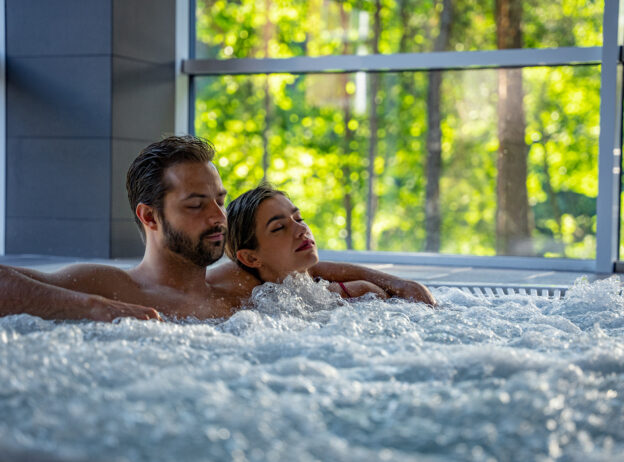
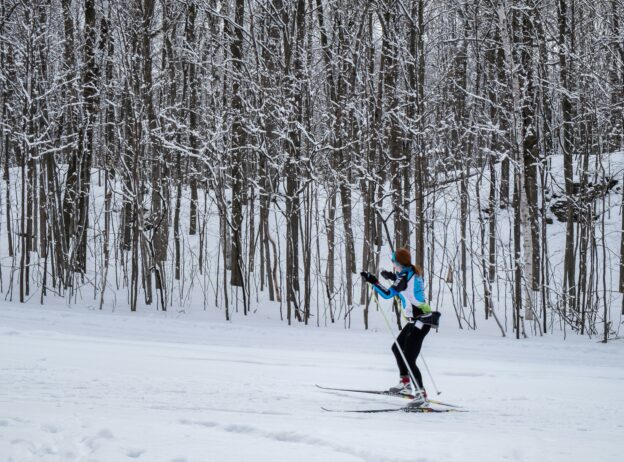
“Depending on their work and other aspects, people have different needs – one needs a more passive rest, a mud or mineral bath, while another wants an active hike in the woods. Still others rest only because they have health problems. The best way to decide what kind of rest is right for a person is to look at their health condition, which should be assessed by a doctor. This is also the basis for selecting the activities or procedures and the amount of them that will not be tiring but will help you relax,” says K. Ramanauskas.
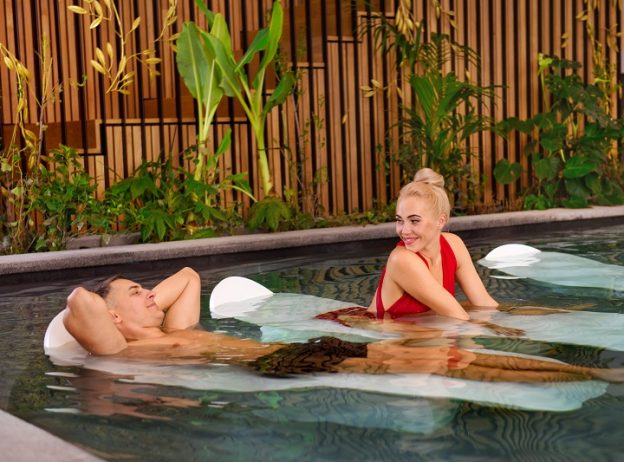
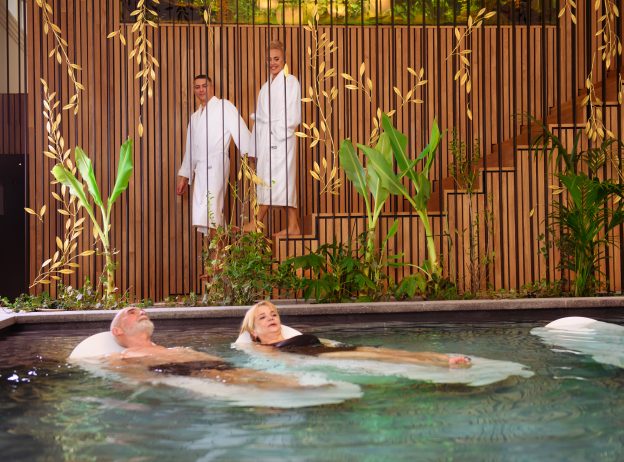
However, when it comes to medical rehabilitation and spa centres, he points out that the services in big cities and small resorts are different: “In big cities, you have a procedure and go home. In a resort, on top of all that, you get peace and quiet, relaxation, time to yourself, a changing landscape, a difference in the pace of life. In a resort it is slower – you can feel it even when you walk down the street, and the slower rhythm is good for the psychology.”
Both specialists agree that a better result depends not only on the service provided, but on the whole package – the treatment or wellness procedures, the peace and quiet, the nature, the break from routine and the meaningful time for yourself.
It is important to develop presence in the here and now
According to A. Balčius, proper recreation and quality time in nature are strongly linked to the topic of longevity. “When it comes to longevity, one has to ask a simple question – do I love myself? And what am I doing for that love? Do I take care of myself and am I aware of it? Do I realise that if I take care of others and not myself, I will be a burden to myself, to others, to society in the future? Let us ask ourselves what we can do to help ourselves. If my joints hurt, why do they hurt? Is it my diet, my lack of exercise? Maybe I need to go to a spa where I can start taking the first steps towards better health?”, reflects the rehabilitation specialist.
He says that a person cannot feel well without nature, so it is also an important part of longevity: “Nature is in us and we are in nature. We can feel a connection to time, to the here and now. It is important to understand that our bodies react to facts, not to thoughts about facts, so if your mind is at work, your body feels like that. When we develop being in the present moment, when we become aware of what is happening to us, what tastes, smells, sounds, feelings are happening to us, then we develop the skills we need for longevity.”
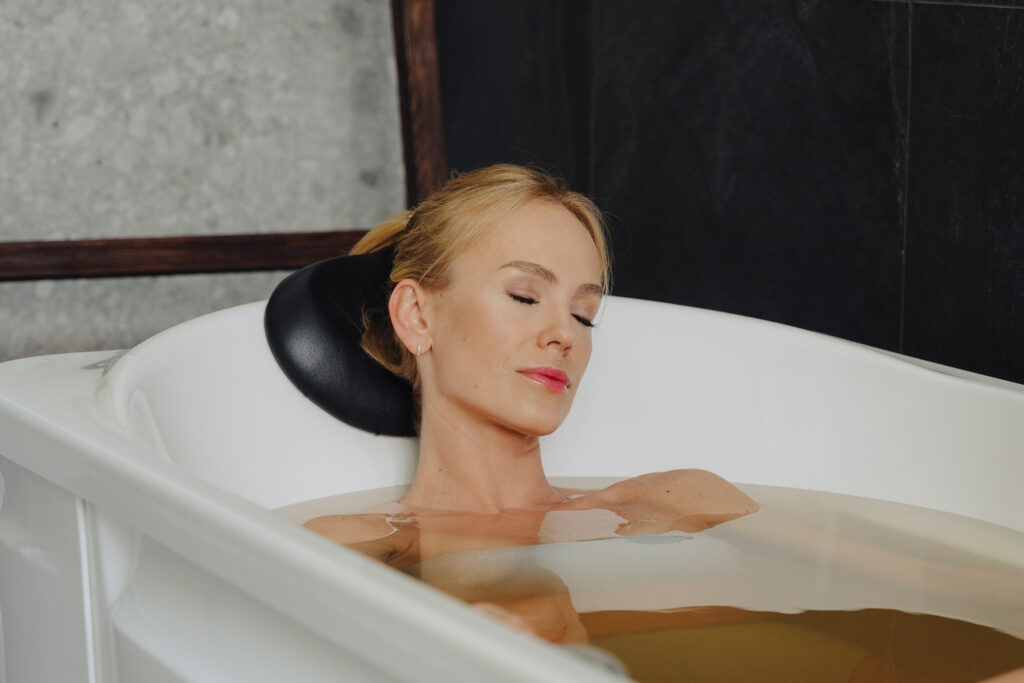
How long should I rest?
Balčius notes that when the environment changes, people usually start moving more, which causes pleasant reactions in the body – changes in cardiovascular activity, increased sweating, which helps remove toxins. Only then, he says, do we begin to achieve one of our main goals: to reconnect with our bodies and reconnect our bodies with nature.
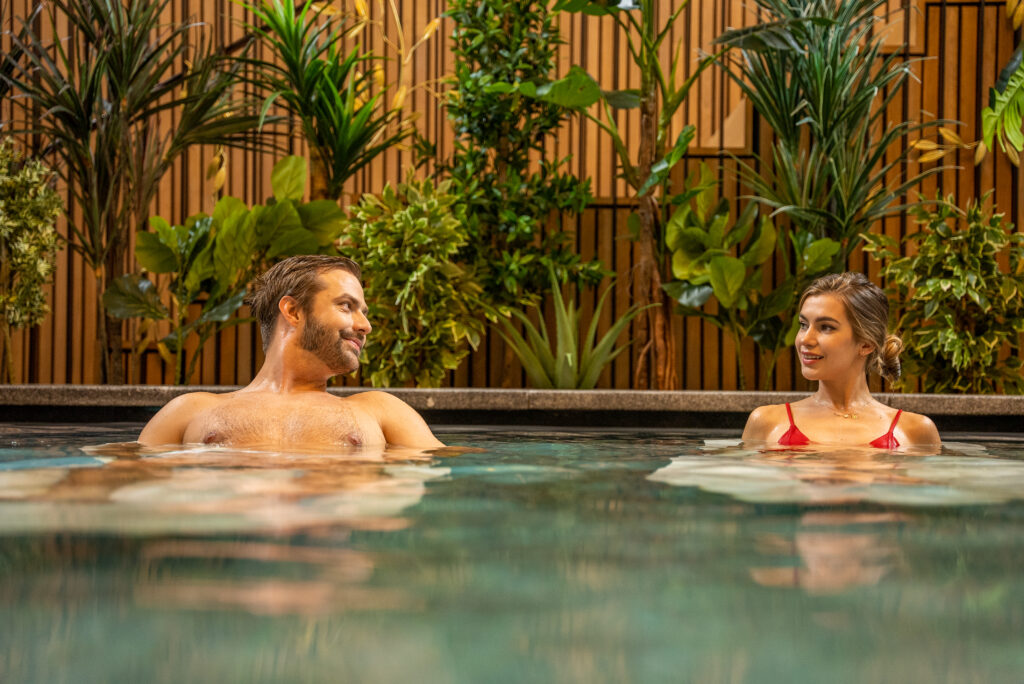
But it doesn’t happen right away. For those who don’t know how long to stay at a spa, the answer from the doctor of physical medicine and rehabilitation is simple – “five is better than four, four is better than three and at least one is better than nothing”.
However, when it comes to the time spent in a spa or health resort, he points out that a weekend or three days are for hardening, and that the recovery mechanisms are activated within a week or so, because it is only then that the so-called inhibitory processes start to work in the cerebral cortex and the recovery mechanisms are activated. If treatment is required, the visit must last at least 12 days.
“In the past, the courses were shorter, but the strain on the body was also less. Those who come to the spa for a weekend get the maximum number of treatments, while those who come for a longer stay get a less intensive one, to which the body adapts more easily. If the stress we are experiencing is not long-lasting, a weekend may be enough, but if it is prolonged, a longer period of treatment is needed,” explains A. Balčius.
He concludes that by looking after our mind, feelings and movements, recognising the signals our body sends us and connecting them to our environment, we are psychologically strong and resilient, and stress is not a problem. However, if any one of these elements is lacking, then stress is prolonged and leads us towards illness.
You can find out more tourist information by phone +370 313 51 777, by e-mail information@druskininkai.lt and by visiting the Tourist Information Centre at M. K. Čiurlionio str. 65, Druskininkai.
Prepared by Druskininkai Tourism and Business Information Centre