Quality sleep is key to longevity: how to help yourself?
Sleep is more than just rest, it is an important renewal process that directly affects our well-being and longevity. However, stress, habits and environmental factors make the quality of sleep increasingly challenging.
On 13 March, International Sleep Day, Jurate Vaschiliene, Doctor of Physical Medicine and Rehabilitation, together with Vilta Baltramonaityte, Doctor of Psychology from the University of Bath, who studies biological indicators of age, and Ieva Anskaityene, a “sleep agent”, discussed the impact of sleep on our health and longevity and shared tips on sleep quality.
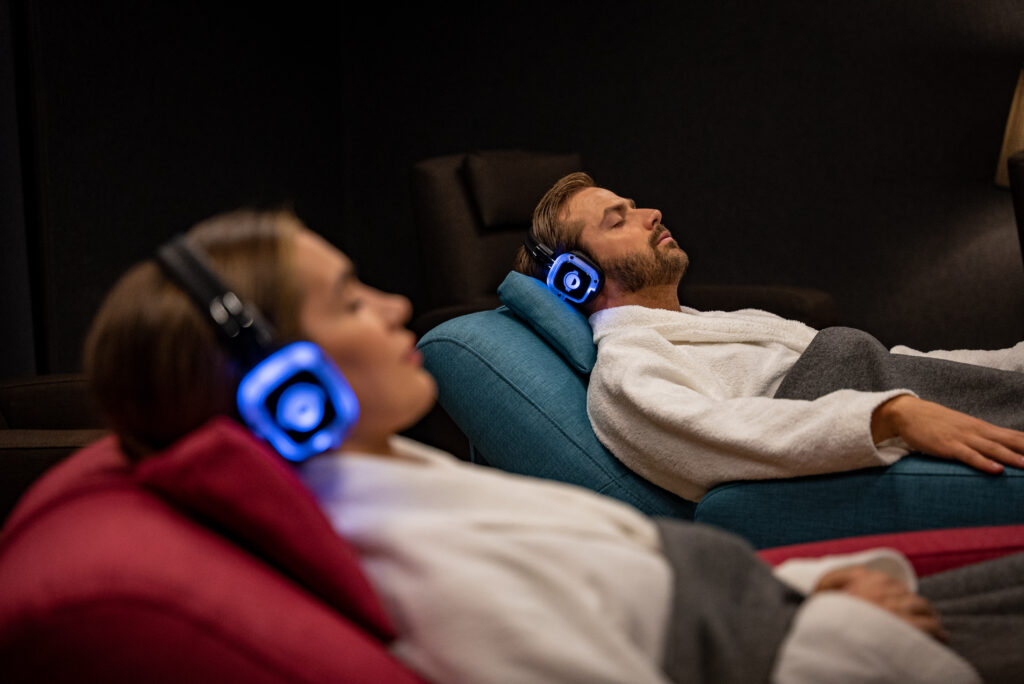
The start of a better night’s sleep is at the spa
“Overnight, our body renews itself, detoxifies, cleanses the liver and intestines, and regulates hormones. In the morning, cortisol is produced at normal levels, the adrenals begin to function, and we can get through the day. If sleep is disturbed – short, poor quality, restless, with a short deep sleep phase – the day will be a failure. Poor quality sleep can strain any system, such as the cardiovascular or nervous system, and increase pain. With poor sleep, it becomes increasingly difficult for the body to cope with the day’s workload and it begins to show signs of fatigue. It is at this point that a lifestyle change is urgently needed.” – says J. Vashchilene, a doctor at Mana Sleep & Spa Clinic.
Various studies show that insomnia affects about 30 per cent of people and other sleep disorders are even more common. “Sleep disorders are a consequence of our lifestyle. Chronic illnesses, back problems or joint pains can interfere with restful sleep and are often aggravated at night. Unfortunately, even healthy people often have a disrupted circadian rhythm. This happens when there is no balance between work and rest, we go to bed much later than 10 p.m., we have an unbalanced diet, we consume little fluid, we do little exercise and have high levels of stress,” explains Vaschilene.

In addition, smart devices have a huge impact on the quality of our sleep. Blue light doesn’t help you to travel in a dream world, so put your phone down no later than half past ten.”
Ageing also contributes to poor sleep quality, she adds, as sensitivity to environmental factors increases with age and it becomes more difficult for the body to rebalance itself. She urges Druskininkai spas to take the first step towards wellness.
“Such a spa should not be called a therapeutic spa, but a wellness spa. Sleep is perhaps the most important of all health factors, both in terms of longevity and lifestyle. Restoring it is the cure for a healthy body and mind. In general, spa treatments are designed to relax the nervous system, balance the body and put it in good order. A few days of feeling good can also motivate you to change your lifestyle because you want to feel better every day,” says the doctor. – Says the doctor.
According to Vaschilene, you shouldn’t expect two nights spent at the spa to eliminate the marks left by long-term stress. However, if you’re experiencing stress more recently, a few days may be enough.
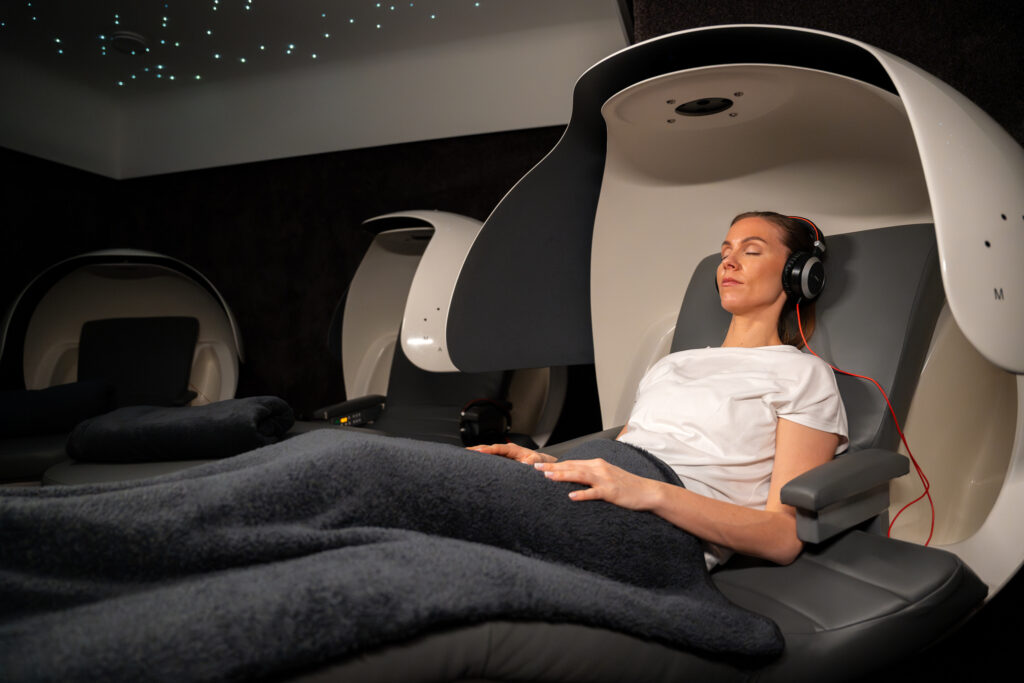
“The essence of balance is regular daily routines, long massages, mineral pools, and baths – all designed to relax the mind and relieve the body. Somnarium, paraffin, oxygen therapy are also valuable treatments to help restore a normal sleep rhythm. However, if insomnia is a long-term problem, you really need to consider a fortnightly course, as our nervous system does not recover as quickly as we would like it to,’ says the doctor.” – Says the doctor.
Quality sleep is essential for longevity
Baltramonaityte echoes her, noting that sleep is linked to how we age, so if we want to live a long life, quality sleep is a must.
According to Baltramonaitte, biological age describes the actual biological state of the body and is often different from our chronological age. “In other words, a person may be 30 years old on the calendar, but their biological age may be 40 years old. It is the difference between chronological and biological age that allows us to assess health risks. For example, if biological age is younger than chronological age, a person is generally more protected from various diseases, while older age increases the risk of disease. This indicator reflects the degree of wear and tear of cells, tissues or organs, and therefore allows a better understanding of the real ageing process.
How does it relate to sleep? Sleep affects many systemic mechanisms in our body, one of which is inflammation. Persistent poor sleep quality can lead to chronic inflammation, which is associated with increased biological aging,” – says Baltramonaitis, explaining how sleep affects aging.
Another consequence of poor sleep quality that negatively affects longevity is stress: “When we don’t get enough sleep, levels of the stress hormone cortisol increase, which can contribute to increased organ wear and tear and weakened immunity. Sleep is also extremely important for our brains. This is when the brain cleanses itself of toxins and metabolic waste, and if sleep is insufficient or of poor quality, the cleansing process can be disrupted, brain function can deteriorate, which will affect the age of our brains.”
Interestingly, genetics largely determines how “sleepy” we will be, but environment also plays an important role.
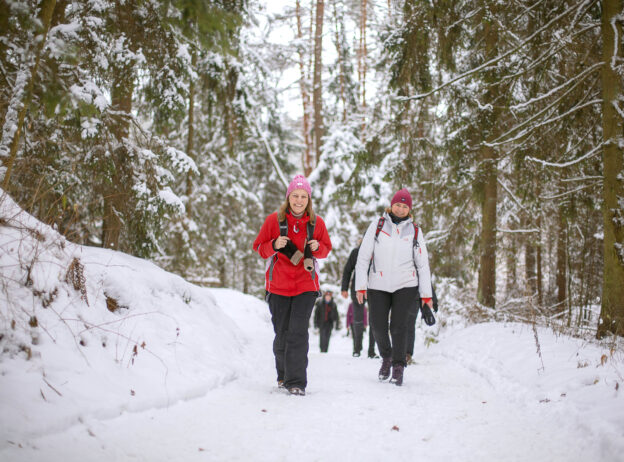
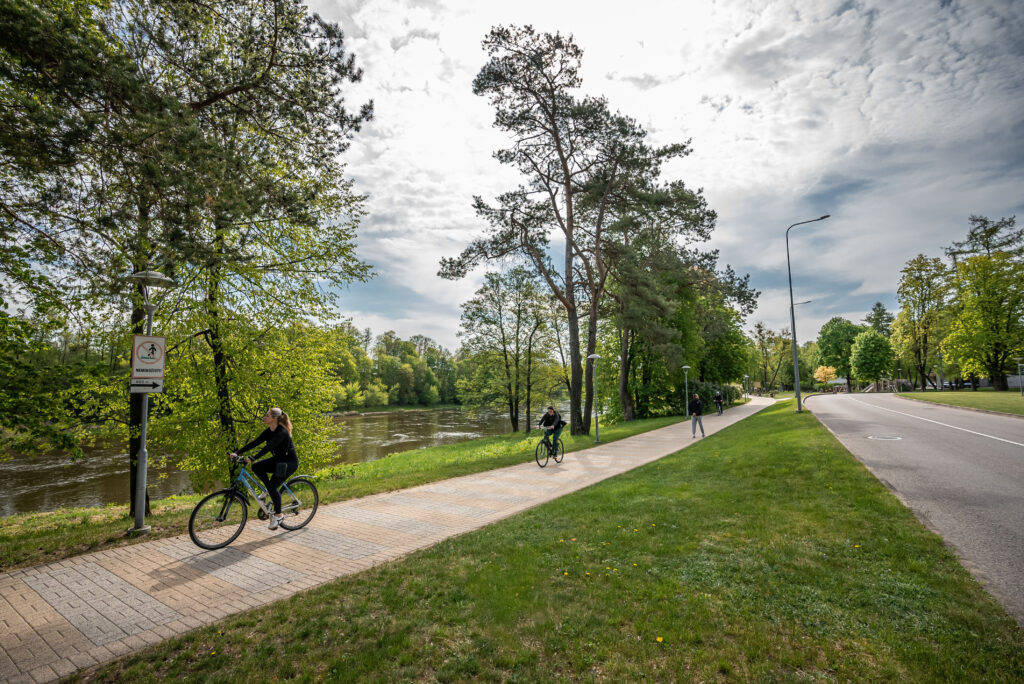
“I myself come from Druskininkai and I can say that if you live in or visit this resort, you are lucky because there are many ways to calm the mind here. First of all, the forests and nature allow you to just be with yourself away from screens, to calm down. A swimming pool, sauna can also help – any such calming down has a very positive effect on sleep,” advises V. – advises V. Baltramonaityte.
If you don’t have the opportunity to go for a walk in nature, at least go outside, try meditation, yoga and don’t eat shortly before bedtime to help your body fall asleep. Different falling asleep or breathing techniques that rely on repetition to get your body to sleep can also be helpful.
The three pillars of sleep: quality, duration and regularity
“Sleep Agent” Ya. Anskaitiene says that sleep is like an anchor for health, essential for restoring the body and mind and for a deeper connection to the self.
Sleep is the “foundation” of health on which all other pillars are based. It is the body’s active process of renewal and regeneration: at night our brain and body work to keep us alert, stable, and resilient to stress and illness during the day. Sleep affects almost every system in our body: brain, metabolism, immunity, mood, disease risk and a kind of “cleansing” function of the brain. When sleep is irregular and we don’t get enough of it, inflammation occurs, stress builds up, the balance of hunger and satiety signals is disturbed, decision-making ability and patience deteriorate, and the risk of mistakes and accidents increases,” says Anskaitiene. – says Anskaitiene.
She continues that it is recommended that the average adult gets at least seven hours of sleep per night on a regular basis. “Lifespan studies often show a U-shaped curve, indicating that both too little and too much sleep are associated with increased health risks. For most people, the most favourable sleep time is between seven and nine hours per night. The most important thing is to feel alert and focused throughout the day. Studies show that women’s sleep needs are often slightly higher than men’s. On average, women need 10 to 20 minutes more sleep, and the quality and need for sleep can be influenced by hormonal cycles,” says Anskaitiene. – says Anskaitiene.
“Sleep duration and quality are important components of sleep, but science is increasingly looking at another aspect: the regularity of going to bed and rising. The Sleep Regularity Index study found that sleep regularity is a stronger predictor of mortality risk than sleep duration, with the most regular sleepers having a lower risk and the effect of sleep duration being weaker. Moreover, the ‘harm’ of sleep duration was attenuated when sleep regularity was taken into account.”
Tips on sleep quality
I. Anskaitiene shares tips to help you get a better night’s sleep. First of all, she recommends changing your way of thinking and realising that sleep, along with exercise and nutrition, is a cornerstone of health, not a “luxury” or a waste of time.
“Regularity stabilises our circadian clock and makes it easier to fall asleep at night, so if you had to pick one thing for the week, I would suggest getting up at the same time every day. Also, our circadian rhythm is very sensitive to light – morning light helps start the day, and bright light in the evening can push back the night. At least 10-20 minutes of morning light, even if it’s cloudy, will help you sleep better, and it’s important to dim the lights in the evening,” advises the author of The Book of Women’s Sleep.
In the afternoon and evening, she recommends avoiding caffeine and alcohol. Finally, if you can not fall asleep, do not try to force yourself to sleep and do not stay in bed for a long time (25 minutes). Rather, get up, move to another room and read quietly until you feel like you want to sleep again.” The bed should remain a signal to sleep, not a place of torture,” says Anskaitiene.
However, if you can’t help yourself, if you snore, if you feel “sleep deprived” in the mornings even after sleeping from 7 to 9 a.m., if you wake up frequently or if you are very sleepy during the day, The Sleep Agent urges you not to wait and to talk to your doctor about possible sleep disorders.

Other tips on longevity, healthy living and body balance can be found here: https://druskininkai.lt/longevity/