Don’t feel joy when you get up in the morning? The reason may lie in the nervous system
When we talk about longevity, we focus a lot on nutrition, supplements and activity. But what about our nervous system? According to doctors, it plays a crucial but often undeservedly neglected role.
As Kęstutis Skauminas, neuroscientist and medical director of Eglė Sanatorium, says, ageing is an inevitable and natural process, but the pace is different for everyone.
“How fast it happens is roughly 25% determined by genetic inheritance, and the rest often depends on our conscious choices and the role of the nervous system in regulating everything from hormones to immunity. When the nervous system is in balance, the body recovers more efficiently and wears down more slowly,” explains Skauminas.
Vilija Okė, a rheumatologist and Doctor of Medicine at Grand SPA Lietuva, agrees, saying that our nervous system is like an orchestra. Unfortunately, if we want to stay healthy and live a long and quality life, it cannot play without rest. “When you get up in the morning, do you feel excited about the new day ahead? A negative answer could be the first sign that your orchestra is out of tune,” says Oquet.
Doctors discuss what signals indicate that our nervous system is in need of an overload, and what can help.
Is the body in “fight mode”?
Neuroscientist K. Skauminas shares that modern man is characterised by an increased sympathetic nervous system tone. This is due to the fact that the current social environment is characterised by an overwhelming flow of information, rapid changes, constant turbulence in social and geopolitical conditions, and the impact of digital technologies.
“In the long run, all this depletes the nervous system’s resilience, leads to burnout, increases the risk of cardiovascular disease, depression, metabolic disorders and even cognitive decline,” warns the doctor.
Constant fatigue, sleep disturbances, irritability, lack of attention, more frequent headaches or muscle aches, and fluctuations in heart rate can all be a sign of nervous system overload. There may also be digestive problems or reduced resistance to infections – signs that the body has been in ‘fight mode’ for a long time. Sooner or later, Skauminas says, we need to tell ourselves that it is time to stop, reflect, and regain energy and motivation.
Time to pack our emotional baggage
Oke, a physician and researcher interested in a relatively new dimension of health – existential health – points out that we consider ourselves healthy until we experience health problems, but illnesses do not appear overnight.
“Existential health defines the dimension between health and illness – daily emotional well-being, meaning and direction, how we are able to manage ourselves so that negative experiences don’t lead to illness,” says Oke, noting that the term also covers topics such as the search for meaning. “Stress, negative emotions, resentments, traumatic experiences, fears seem to accumulate and live in our brains and bodies. If we don’t take care of this, eventually we can go beyond the limit of our emotional tolerance and develop mental or physical illness.”
For example, the doctor shares that a common cause of stress is trying to live for other people and their expectations rather than one’s own vocation: “There is a lot of wisdom in the saying that you should love others as you love yourself. When one feels that one wants to give out of love – to an employer, to a client, to a child or to a parent – then the balance shifts, and giving becomes a cultivation, a gift, rather than a division of oneself.
According to Okė, two things are important to combine in order to achieve longevity: adaptability and “self-leadership”. “When we know what our life is about and we are not worried about other people’s opinions, when we take responsibility for ourselves and do not look to the environment for help, then we have peace. We have to be the leaders of our own lives and at the same time know how to adapt to the changing conditions of our environment, because from an evolutionary point of view, this is the secret to survival,” shares the doctor.
“If we know how to react consciously to stimuli, then we accumulate less negative emotions, our body relaxes and the risk of addictions decreases. But to do this, it is important to be able to leave space between the stressful stimulus and the reaction to it. In other words, not to react immediately and automatically, but to stop and think,” says Oké. Learning a new habit can be difficult in a normal environment, she adds, so she suggests “packing your emotional baggage and visiting the Druskininkai Spa”.
“The spa treatment guarantees that you will return with a recharged nervous system, a renewed body and a suitcase full of more positive feelings,” says Dr Okė.
Nature and treatments for best results
According to V. Okė, the pace of life in the resort is quite different – people even walk more slowly.
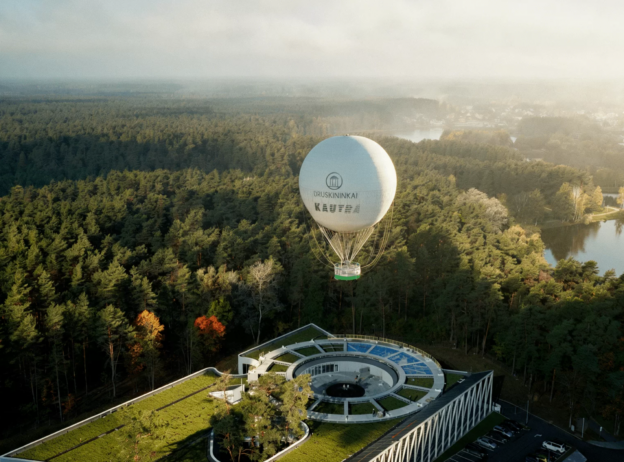
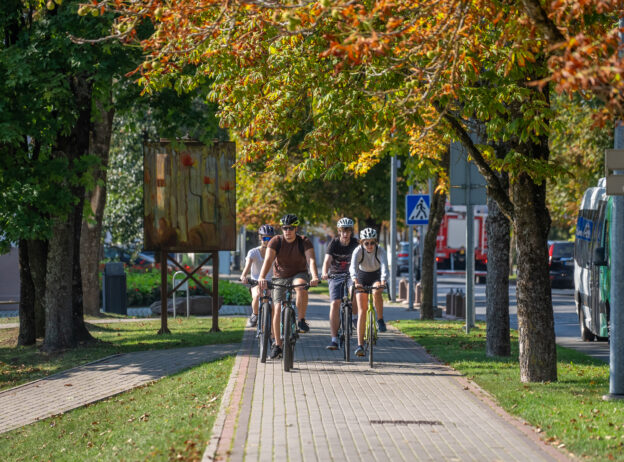
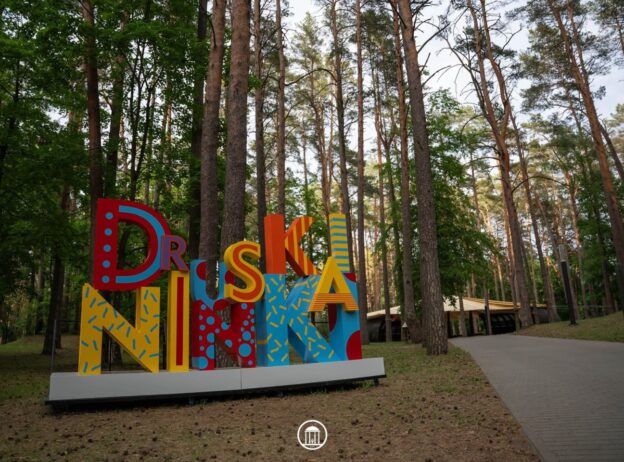
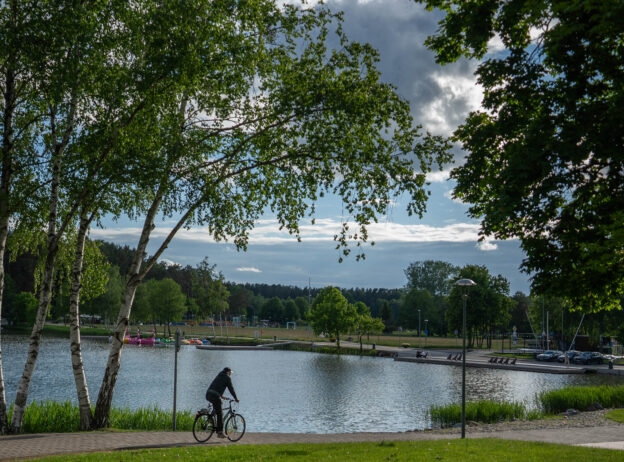
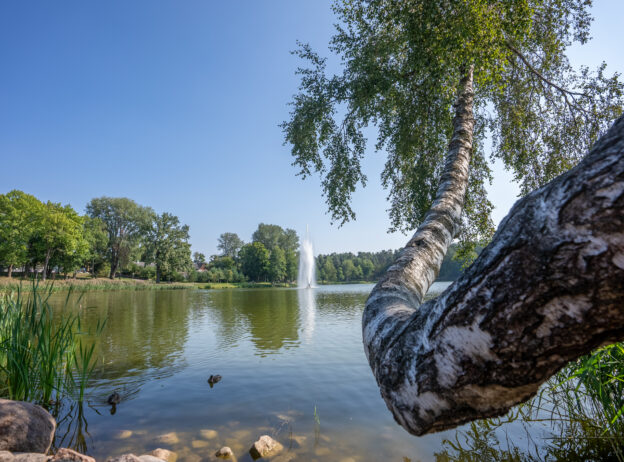
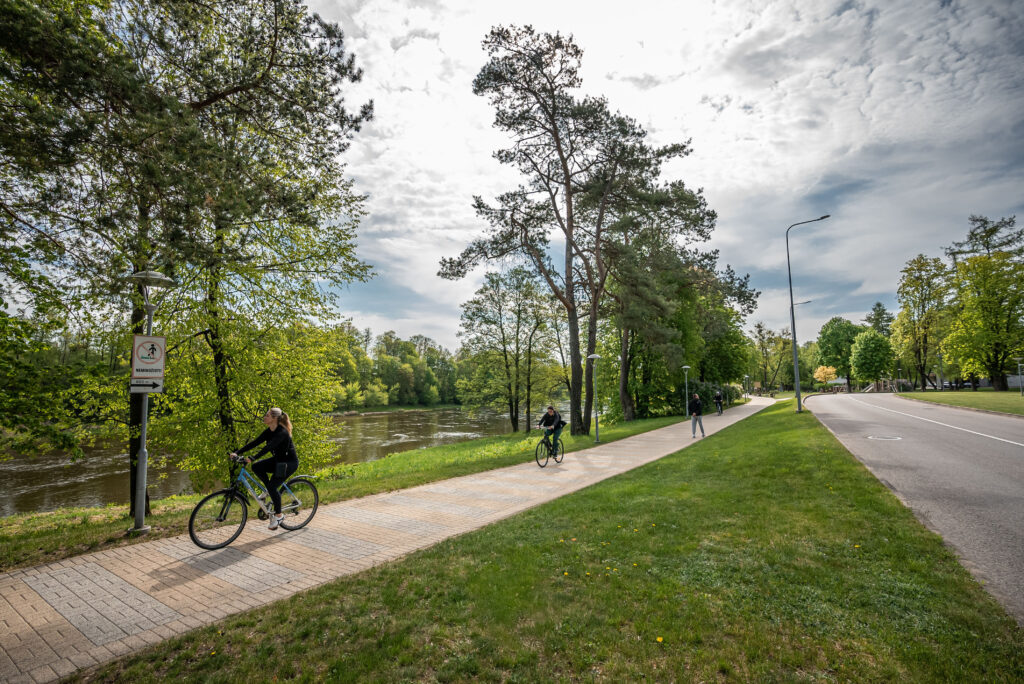
“If we slow down even a little bit, we are already stopping ageing and helping ourselves to achieve longevity, and Druskininkai is the perfect place for that. It is the most wooded resort in Lithuania, carved out by walking and cycling paths, where you can also immerse yourself in forest bathing,” the doctor is convinced.
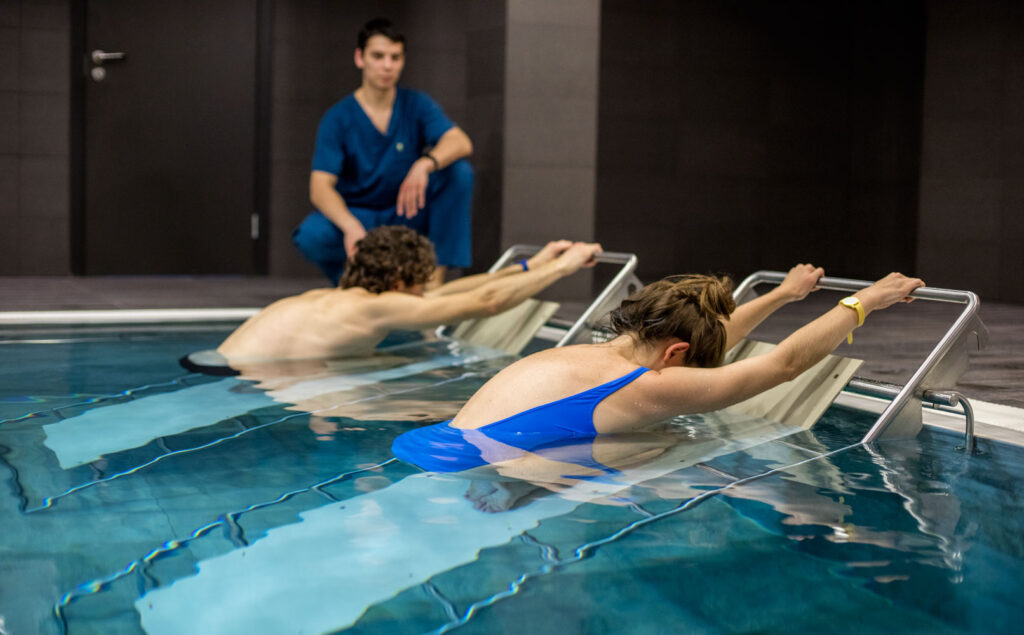
However, for the best results, Okė says, it is important to combine Druskininkai’s exceptional natural resources with tailor-made treatments for the whole body – the combination of which helps to properly regulate the nervous system.
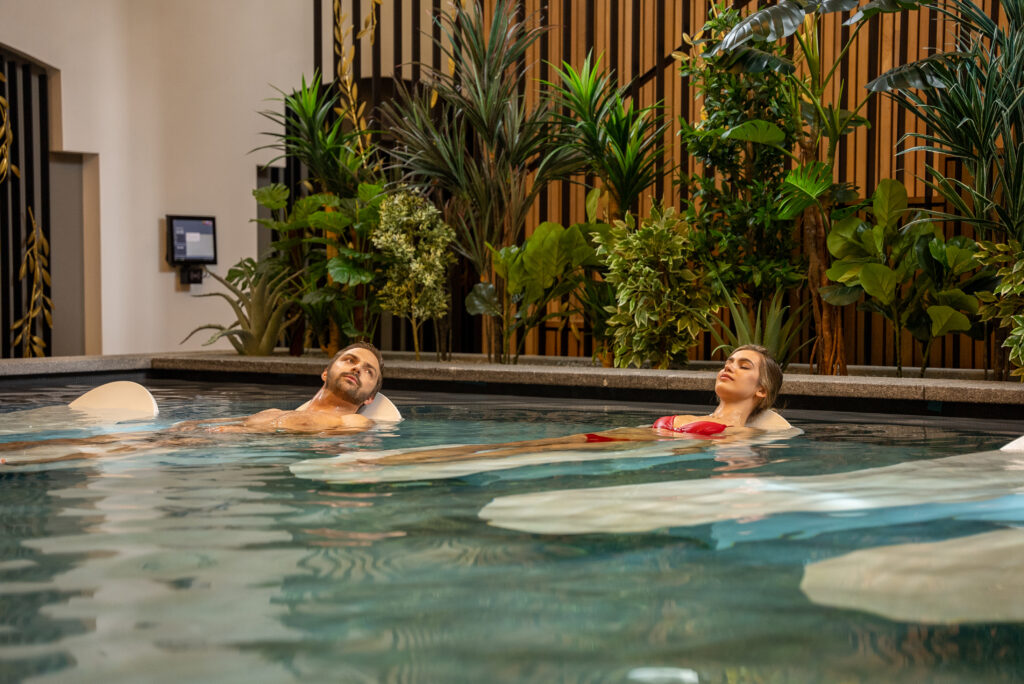
K. Skauminas echoes her, saying that spa treatment helps to “reboot” the system through a complex effect – reducing stress hormones and pain, activating the parasympathetic nervous system, also known as the “recovery” nervous system, and improving blood circulation and sleep quality.
“The greatest impact on improving our health is the whole person. This includes the natural environment, treatments such as water therapy, massages, the use of therapeutic mud and mineral water. It’s also about having a clear daily routine, staying away from stressors and getting away from information noise. The aspect of professional care is also important. It is the synergy of these factors that allows the nervous system to enter a state of recovery,” shares the neuroscientist. – Of course, it is also important to the extent to which we are able to keep our minds in the here and now, rather than in the stressful concerns of everyday life.”
Focusing on prevention and longevity
K. Skauminas is pleased that sanatorium treatment in Lithuania is increasingly focusing not only on rehabilitation but also on prevention and longevity.
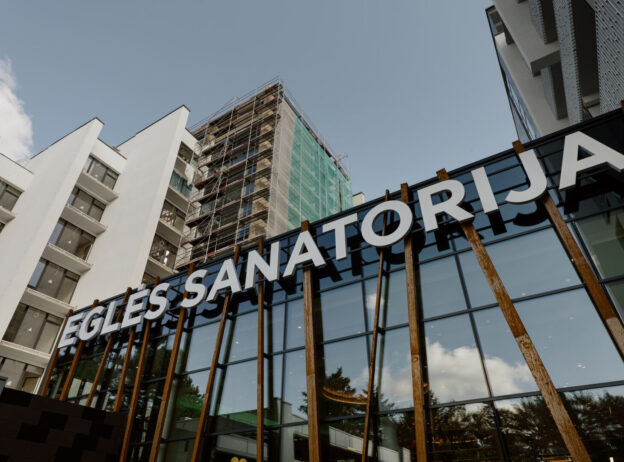
“Institutions such as Eglė Sanatorium apply complex spa treatment programmes that strengthen the body’s resilience, improve adaptation to stress, and help develop healthier living habits. Basically, it is the prevention of strokes, heart attacks, high blood pressure, metabolic syndrome, digestive diseases and even risk factors for dementia and depression,” explains the doctor.
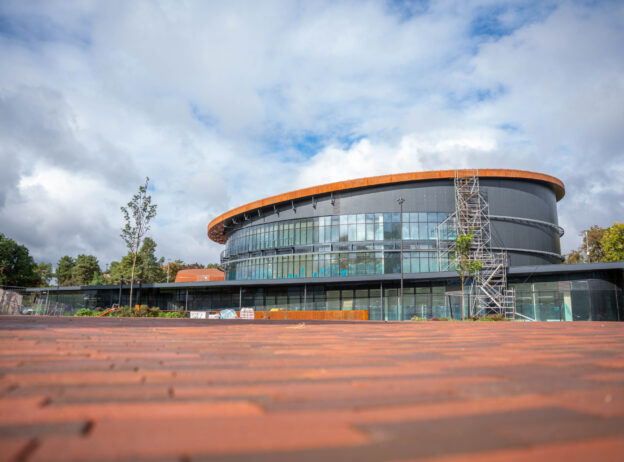
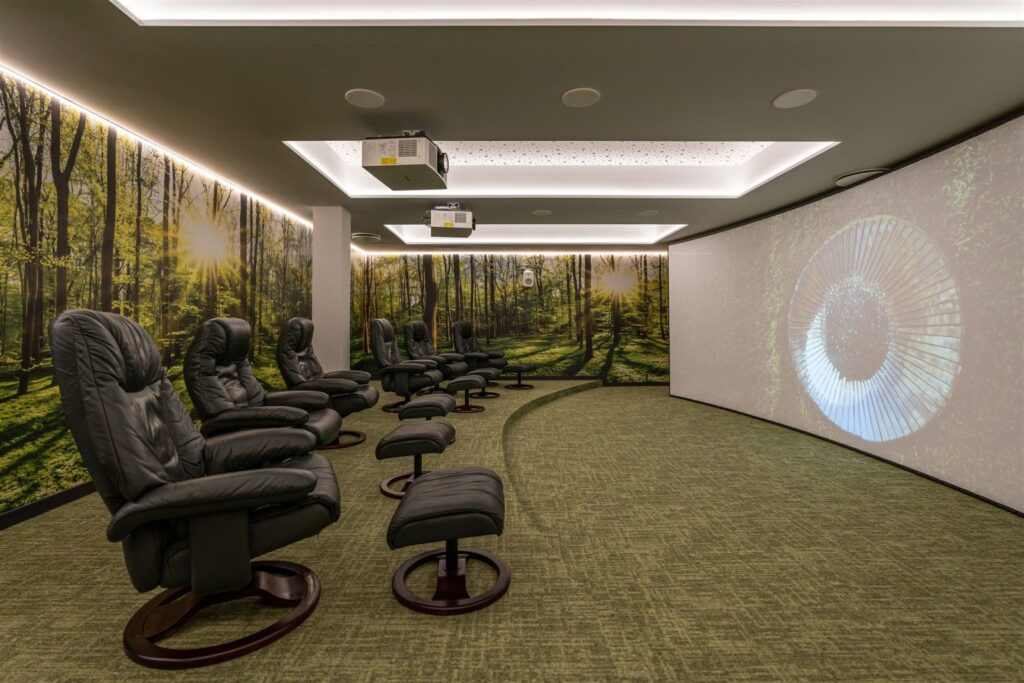
He explains that the Eglė Sanatorium has opened a renovated comfort treatment centre, which focuses on emotional health. “The spa is full of relaxation treatments – the Sun Room, Audiovisual Relaxation, Binaural Relaxation, Mineral Water Mist Therapy, Aromatherapy, and the original indoor Kneipp path for the legs and arms to stimulate the reflexogenic self-regulation of the blood circulation,” Skauminas says, adding that all the sanatoriums operating in Druskininkai have wellness programmes with overnight stays and stress-reducing treatments.
What to take home?
According to Skauminas, you can feel a significant improvement within a few days at the spa, but it is important not to fall back into old habits and to strengthen your nervous system every day.
“A couple of years ago, a scientific study carried out by Klaipėda University on patients in five Lithuanian sanatoriums found that even after 2-3 nights in a sanatorium, when the procedures are applied, stress markers in the blood begin to decrease significantly and certain psychological indicators improve. However, deep rebalancing is a process, and the sanatorium often acts as a new beginning,” notes the medical director of Eglė Sanatorium.
He advises to bring regular routines, especially sleep, conscious relaxation – breathing practices, slow walks in nature – and limiting information overload into your daily routine.
“Even short but consistent rituals have a profound long-term effect on the nervous system. In short, a healthy brain’s daily plan should include: physical activity, mindful eating, brain-boosting activities alternating with moments of relaxation and reflection, social interaction, games and sleep hygiene. And then ageing will be slower, too,” the doctor concludes.
For more tips on longevity, a healthy lifestyle, and maintaining your body’s balance, click here:
https://druskininkai.lt/en/longevity/