Time to get off the sofa: experts offer advice on how to encourage physical activity
Are you trying to figure out the secret to longevity? Experts in the field have an important message for you – this goal cannot be achieved without physical activity.
“No one has yet invented a ‘miracle pill’, so you can take all sorts of supplements, but if you just lie on the sofa – you won’t live a long life,” says Dr Arūnas Emeljanovas, is firmly convinced.
“Health is not merely the absence of illness or disability. It is a state of complete physical, mental and social well-being, and physical activity has a positive effect on all three aspects: it reduces stress, lowers the risk of more than 40 diseases, delays the onset of dementia and mental illness, and helps with socialising. All of this has a direct impact on the longevity we are striving for,” says A. Emeljanovas.
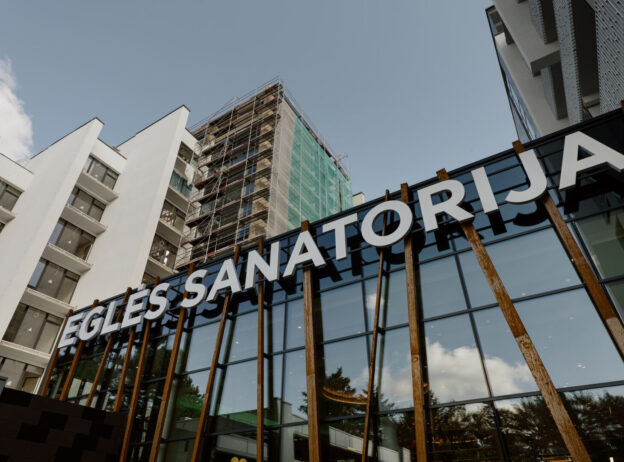
Together with Lina Žukauskienė, head of physiotherapy at the ‘Eglės Sanatorium’ in Druskininkai and winner of the Karolis Dineika Prize, and Domantas Nedzinskas, one of the founders of the School of Movement Awareness and physiotherapist Domantas Nedzinskas, the professor discusses how to incorporate more physical activity into daily life and which city should feature on the list of those pursuing longevity.
Technology distances us from our senses
D. Nedzinskas also speaks about the need to start with oneself, noting that first and foremost we must assess where we stand. “People do not always manage to do this on their own. If we find it difficult to understand ourselves or feel out of sorts, then we need a health and wellbeing specialist who will not only assess the physical body’s capabilities but also point us in the direction that is most appropriate at that moment,” explains the health and wellness specialist.
According to him, the ability to feel is the key to finding any answer amidst a sea of information. “Intuition is not about results, but about self-awareness – which part of the body is functioning less well and is depleted – and this allows for quick and effective healing at any age. It is no coincidence that the essence of all medicine lies not in treatment, but in diagnosis; so the sense of movement, as a diagnostic tool, allows us not only to tune into ourselves, but to regain that lost sense of self which is so sorely lacking in today’s society. Sport, moving around with headphones on and the excessive stimulation brought about by technological advances, unfortunately, only distance us from the sensation of movement,” notes D. Nedzinskas.
A. Emeljanovas agrees, emphasising that walking with earphones on not only distances us from our own bodies and the present moment, but can even be dangerous: “You won’t hear a car coming, or see a red traffic light… My advice is to give your body and mind a rest whilst walking; listen to the birds singing and the rustling of the trees.”
Speaking generally about technology, the professor mentions that it can help beginners on their journey towards physical activity, but one shouldn’t ‘get carried away’ with it for too long. “The numbers on a smartwatch or mobile phone showing steps taken or calories burnt are motivating. Science backs this up too. But in the long run, you need to develop an intuition for exercise and diet. Counting grams and kilometres is just another task for the brain. It can be useful at the start, to set a framework, but after a year or two I’d suggest moving on from it,” – advises A. Emeljanovas, adding that physical activity should be enjoyable, so we need to find a form that suits us.
Where to start?
According to A. Emeljanov, you can start living a more active life with very simple things.
“For people with sedentary jobs, the scientific recommendation is to sit for 45 minutes and move around for 15 minutes, but we realise that such a routine is difficult to implement in reality. However, taking a 5-minute active break every hour is certainly possible,” says the professor.
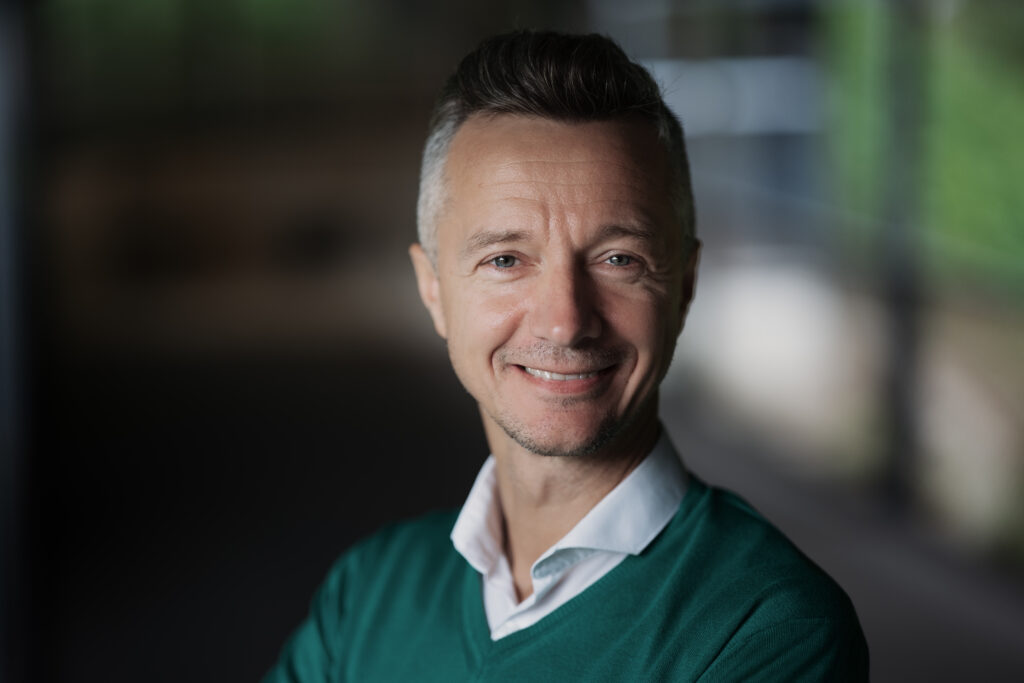
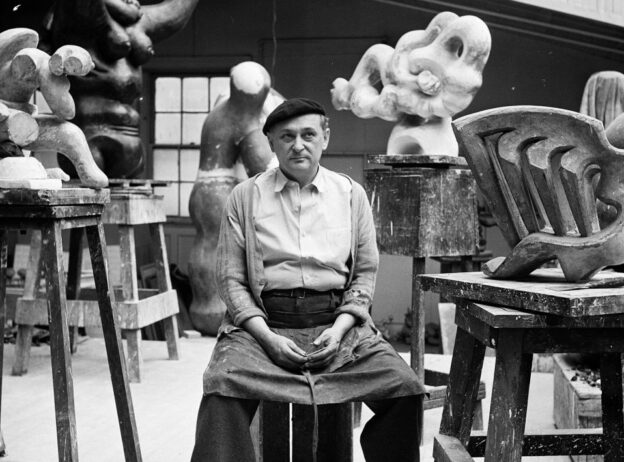
Dr Arūnas Emeljanovas, Professor at the Faculty of Medicine, Vilnius University
“Small things, done consistently, make a significant difference. Get into the habit of walking whilst on the phone – that’s physical activity in itself. It would be great if, during your break, you could get a bit of exercise, for example, by taking the lift down and walking up the stairs. This stimulates blood circulation and supplies the brain with oxygen and essential nutrients; after half an hour or an hour of work, the brain is certainly tired – it functions more slowly and makes decisions less readily,” – points out A. Emeljanovas, adding that breaks are not a waste of time – they are an investment in working more effectively.
The physical activity expert is firm on the subject of strength training – it is essential for everyone, regardless of age or gender: “Strength training for adults at least twice a week (and for children at least three times) is essential. Your body is the perfect tool for strength training. Lunges, bends, squats and various jumps with a resistance band – this is the strength training you need to do at least a couple of times a week. More advanced athletes can also perform exercises with weights.”
D. Nedzisnkas adds another important daily habit to this list – breath control, which, he says, leads us towards better health: “It is important to realise that we should only breathe through our nose and, to avoid triggering inflammatory processes, the exhalation must be longer than the inhalation. It’s simple, but in many cases it requires a fair bit of self-awareness.”
Debunking the 10,000-step myth
According to A. Emeljanov, exercise is a form of stress for the body, so he advises undertaking active, intense strength training only when we are not psychologically exhausted. However, a walk or a slow run lasting at least half an hour is, according to the professor, necessary every day.
“For a long time, 10,000 steps was the gold standard, but I can now confidently say that 7,000 steps is the new 10,000. The largest meta-analysis to date on steps, carried out last year, clearly showed that the greatest positive effect on our bodies comes from up to 7,000 steps, which we absolutely must achieve. Of course, it’s fine if we walk more than that, but we shouldn’t make a special effort to do so. That said, once you’ve walked 7,000 steps, you shouldn’t just lie down on the sofa; instead, you should incorporate other exercises that develop different physical qualities, such as stretching, strength training or cardio,” advises the professor.
According to physiotherapist L. Žukauskienė, walking is a natural remedy for the body, the brain and longevity. She states that climatic factors come into play during these procedures: atmospheric pressure, air temperature, wind speed, humidity, precipitation, infrared, visible light and ultraviolet rays, cloud cover, the natural landscape, higher concentrations of oxygen, light air ions and ozone, lower concentrations of carbon dioxide, and phytoncides, terpenes and essential oils released by plants.
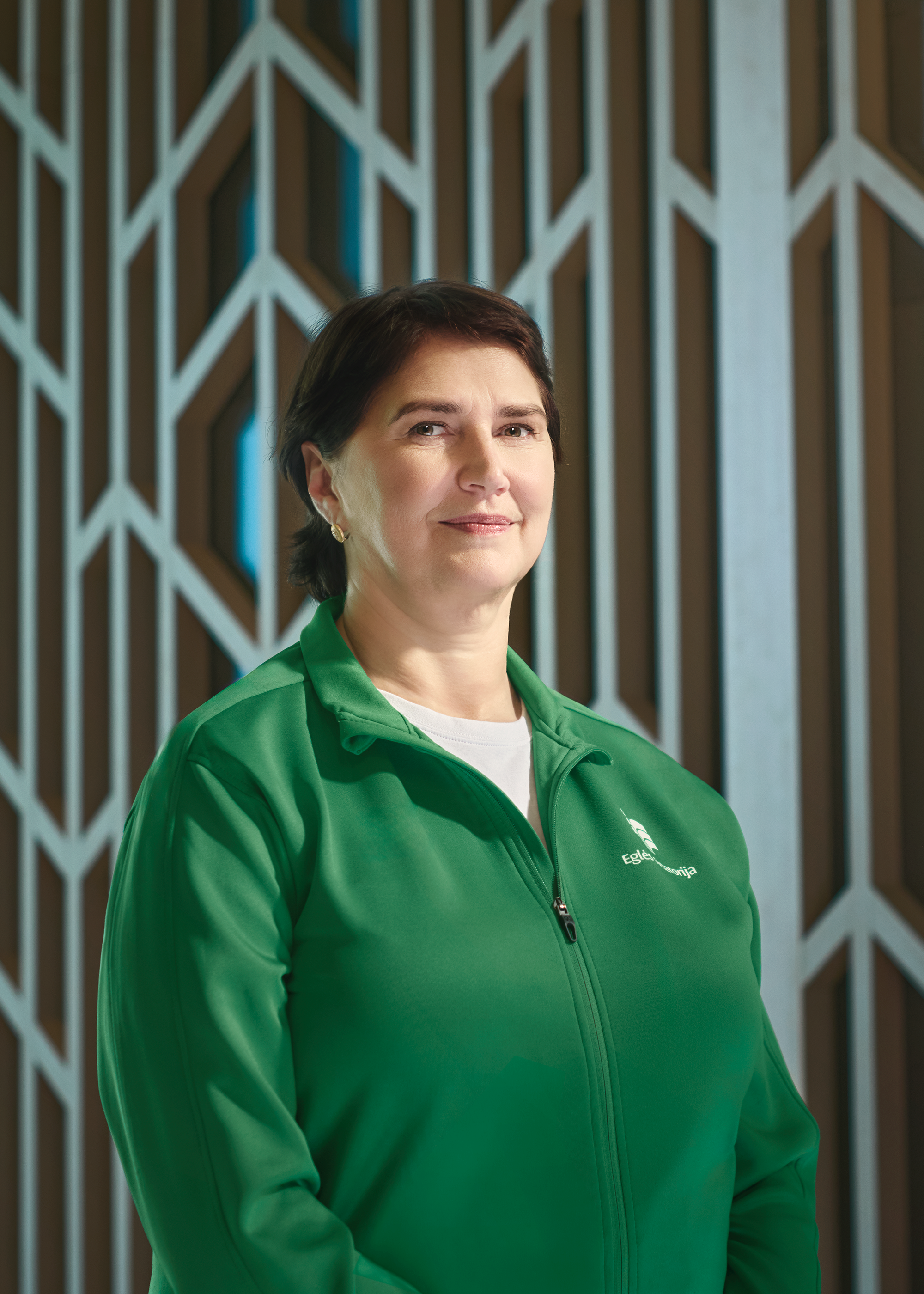
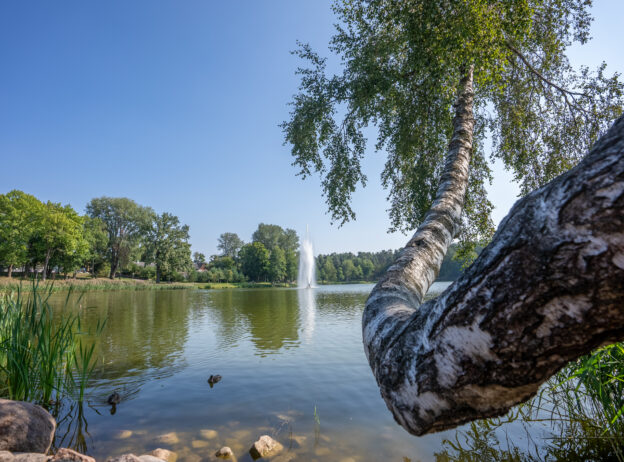
Lina Žukauskienė, head of physiotherapy at the ‘Eglės Sanatorija’ in Druskininkai and winner of the Karolis Dineika Prize
“In the forest, in the fresh air, by practising Nordic walking, diaphragmatic breathing, sound exercises and walking along a reflexology path, the cardiovascular, respiratory organs and the musculoskeletal system; cerebral blood flow improves; the body’s physical capacity increases; and the psychophysical state is normalised,” says physiotherapist L. Žukauskienė, listing the benefits. D. Nedzinskas agrees with her.
“The gym is an excellent choice 1–3 times a week, but the rest of the time should be spent in nature. We have all four seasons, so by being active outdoors in all weather conditions, we can improve Lithuanians’ health indicators in the future. Another important factor is the nervous system, which, when in nature, activates its potential to relax and function at least 40 per cent more effectively,” notes D. Nedzinskas.
A holiday at a Lithuanian resort?
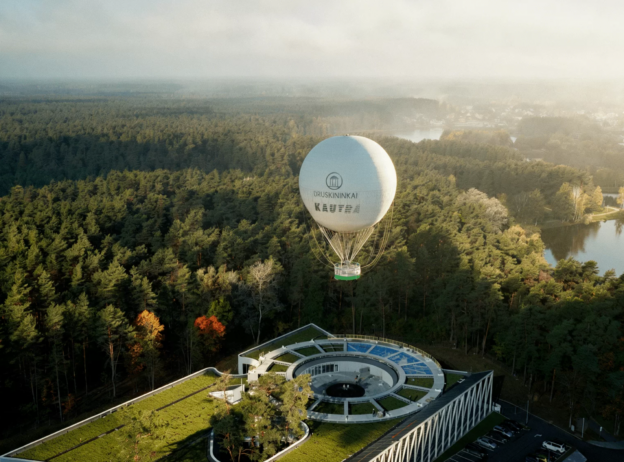
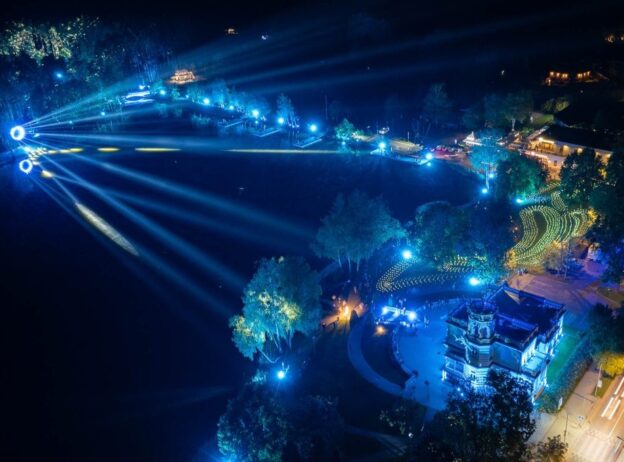
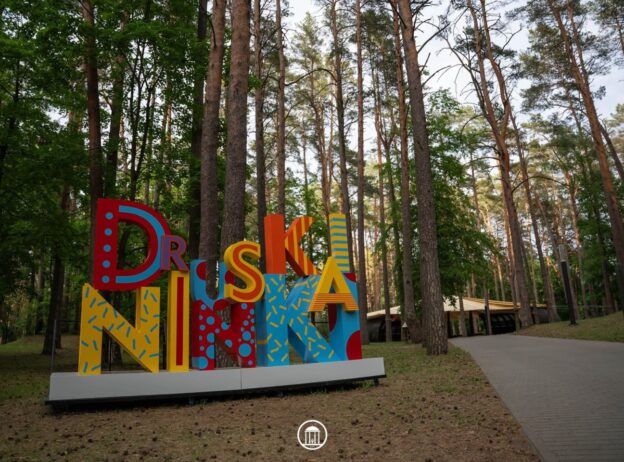
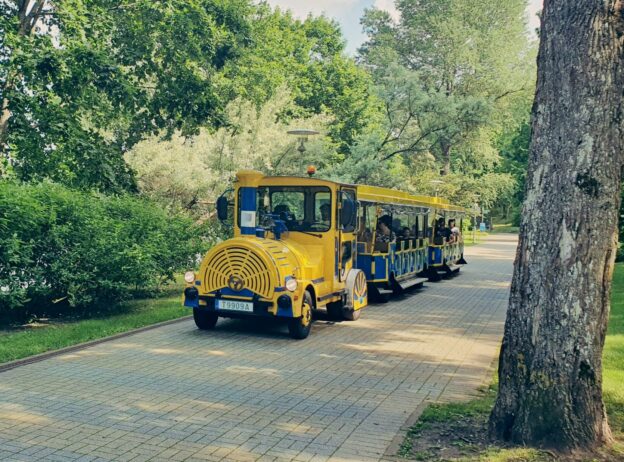
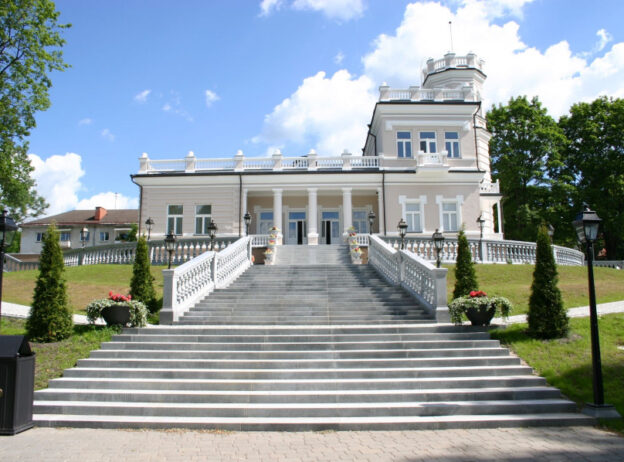
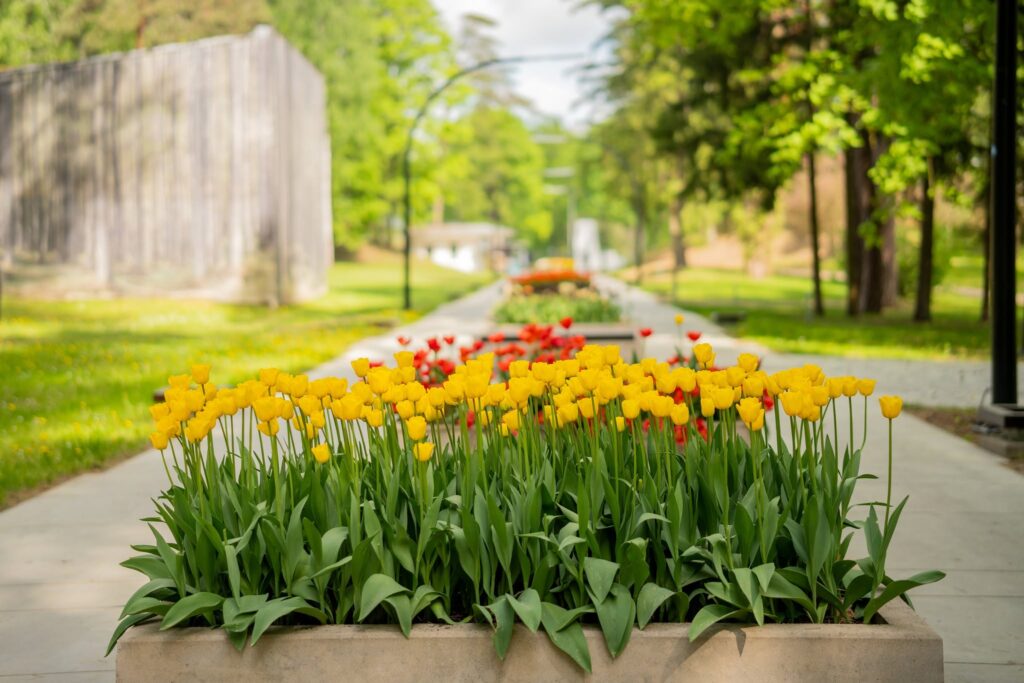
Those wishing to uncover the secret of longevity, according to experts, should include a holiday at the Druskininkai resort on their list of goals; the resort has received international recognition – the European Arborists’ Council (EAC) has designated it as the European Tree City for 2026. This is the first such accolade for a Lithuanian town. This award is given to towns that excel in progressive tree care, community involvement and sustainable green space management solutions.
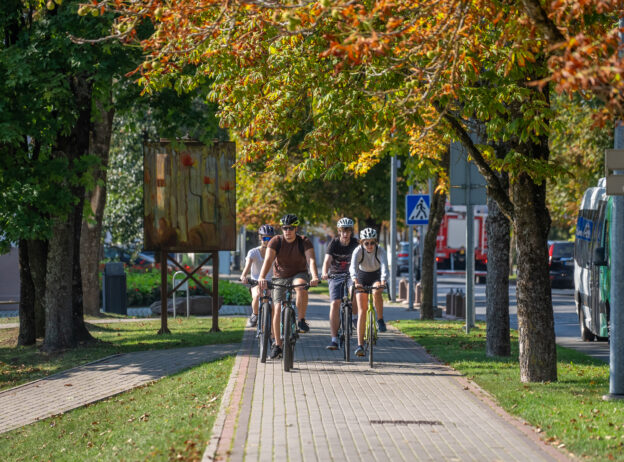
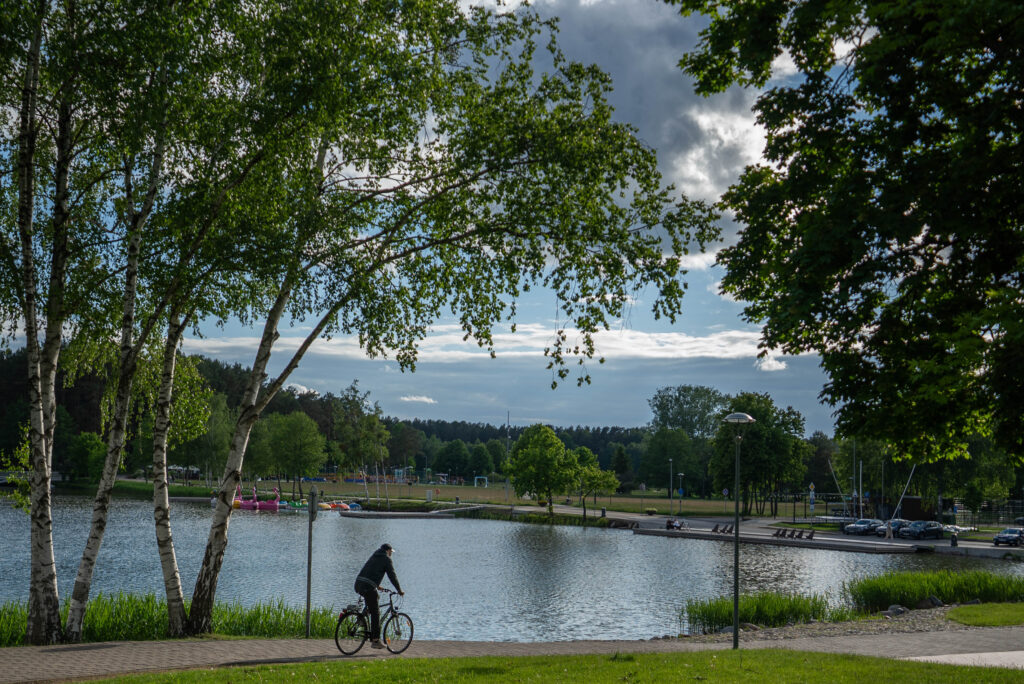
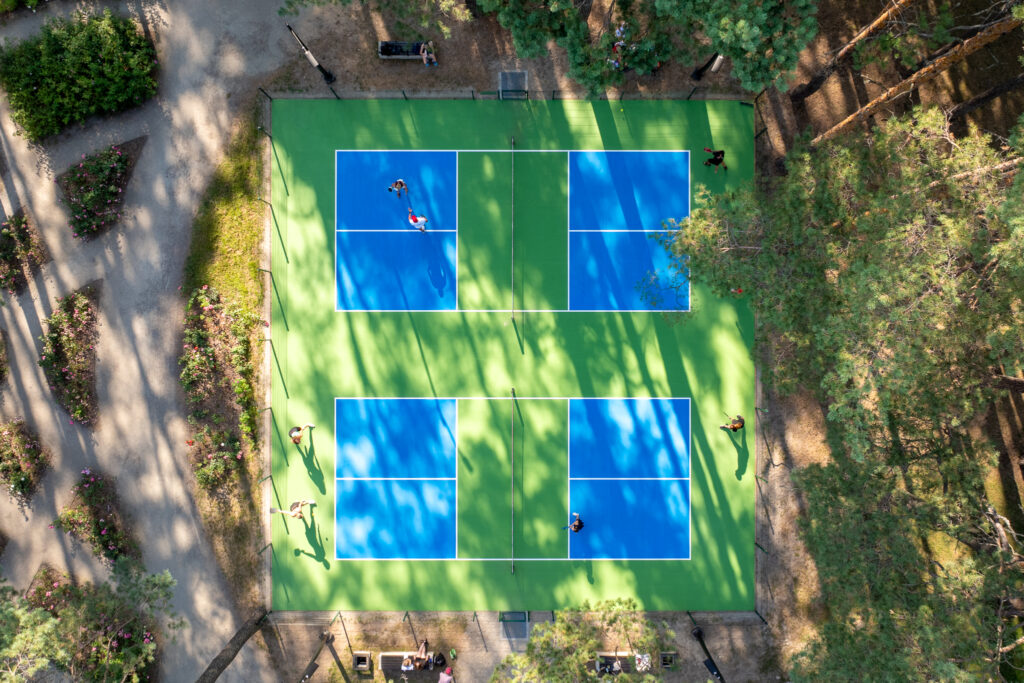
“Surrounded by forests, Druskininkai is ideal for outdoor activities – there are plenty of walking and cycling trails here. The resort also offers a wide range of opportunities for physical activity: free exercise sessions for residents and visitors take place in K. Dineika Park, yoga classes are organised, you can play outdoor tennis, pickleball, badminton or pétanque, and outdoor exercise equipment has been installed in various locations around the town,” says physiotherapist L. Žukauskienė, a view echoed by D. Nedzinskas.
“The wonderful natural surroundings in Druskininkai are in harmony with the rhythm of the town. All the specialists working here tend to follow and build on the work of people such as Karolis Dineika and Algimantas Kačergius. And perhaps the most important thing is that this resort focuses not only on the spa concept, but also on rehabilitation and prevention, which are among the key factors in replenishing a person’s vital reserves, so essential for building longevity”, explains D. Nedzinskas.
A. Emeljanovas states that when walking through various parts of Druskininkai – along the riverbank or around the lake, past the museums – the brain is exposed to new sights, and if these change, it can only be good for us. New, beautiful, vivid images and walking – a double benefit for our bodies.”
‘Willpower alone gets you nowhere’
Speaking about physical activity, D. Nedzinskas notes that when trying to change their habits, people often make the same mistake – they lack a clear goal.
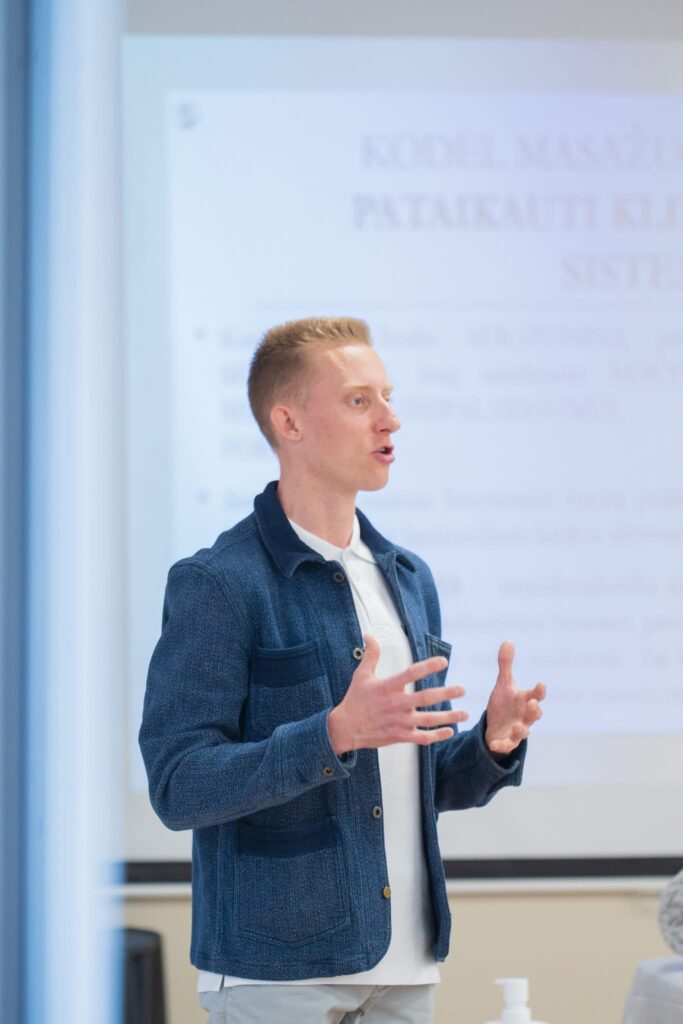
Domantas Nedzinskas, physiotherapist and founder of the School of Movement Awareness
“Goals such as trying to lose weight or chasing after the rules imposed by social media are already a mistake. First and foremost, we need to know why we’ve chosen this particular form of movement and what lies ahead if we continue moving in this way. Then the nervous system and the body work as a whole and help to maintain consistency. If we do something because ‘we have to’, because others are doing it, or because studies tell us to, then sooner or later we’ll stop moving,” – asserts the specialist, summarising that willpower leads nowhere without a long-term goal, and the desire to move must come from within.