The renovated “Eglė Comfort+” complex in Druskininkai
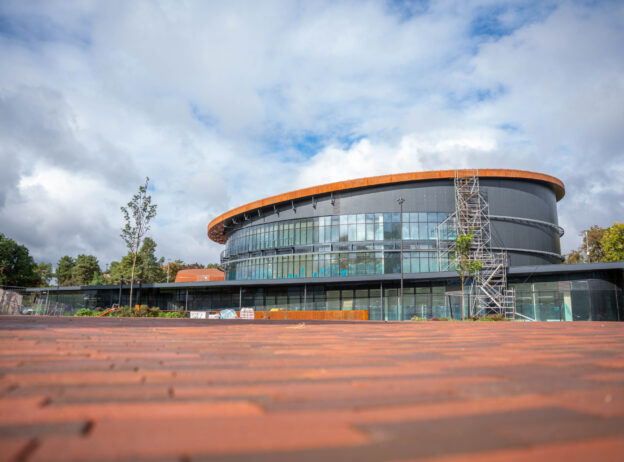
On 1 October, the ‘Comfort+’ accommodation complex, part of the ‘Eglė’ medical rehabilitation and sanatorium treatment network, opened its doors to visitors in Druskininkai following its refurbishment. The refurbishment was carried out by the main contractor, Conres. The buildings, formerly known as ‘Žilvinas’, represent one of the key stages of the sanatorium’s €35 million refurbishment project.
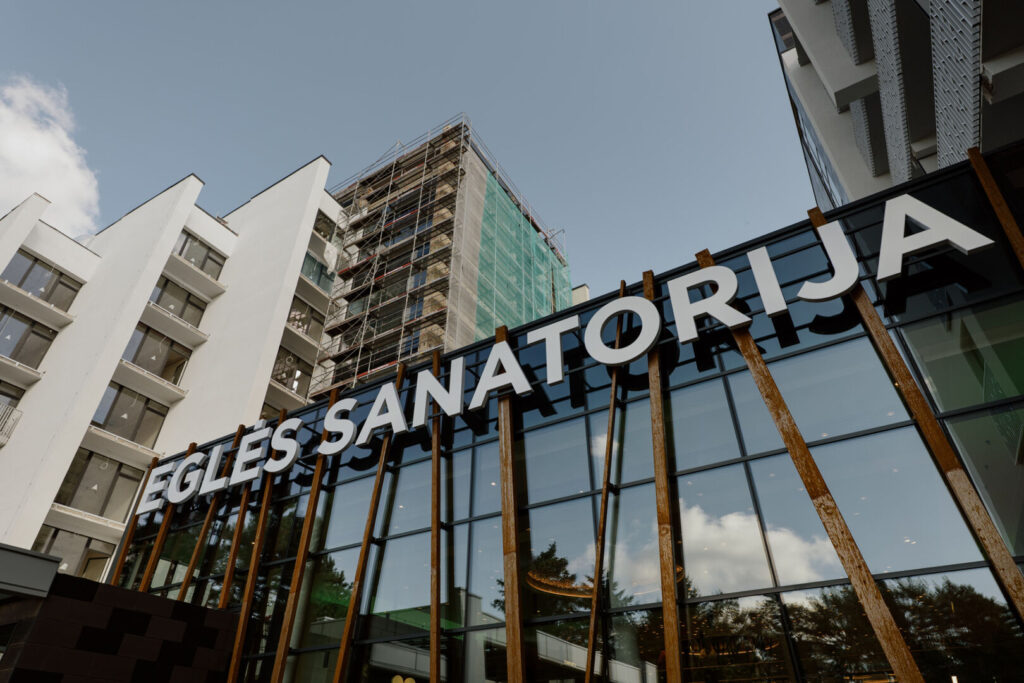
The refurbished complex will be able to accommodate more than 400 guests at any one time. During the refurbishment, the total floor area of the buildings increased by more than 1,000 square metres – from approximately 12,200 to 13,300 square metres.
According to Artūras Salda, the director of ‘Eglė’, the essence of this project lies not merely in larger or more modern spaces. The refurbished ‘Comfort+’ complex reinforces ‘Eglė’s’ position as the largest sanatorium in Northern Europe and the most extensive medical rehabilitation network in Lithuania, as well as its commitment to creating a treatment experience where the expertise of medical specialists, traditional sanatorium therapies and modern technology work in harmony.
‘Sanatorium treatment is not merely a set of procedures – it is a comprehensive experience in which the work of doctors and rehabilitation specialists, natural therapeutic factors, traditional therapies and a patient-friendly environment all play a vital role. In refurbishing ‘Comfort+’, we aimed to ensure that all of this functions as a single system: from medical services and treatments to air quality, tranquillity, rest and comfort. It is precisely this sense of wholeness that creates an exceptional treatment experience,” says A. Salda.
This approach is already reflected in Druskininkai at the refurbished ‘Comfort’ sanatorium, where long-standing traditions of sanatorium treatment are combined with modern treatments, technological solutions and the expertise of medical specialists.
Comfort will also be enhanced by discreet, barely noticeable solutions.
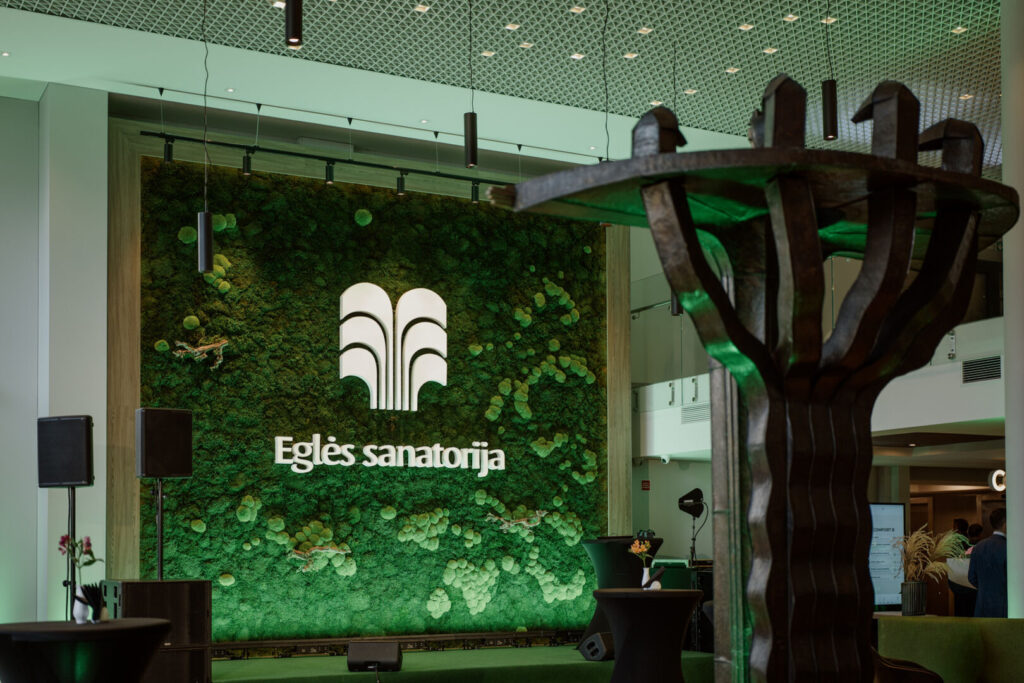
During the refurbishment, the rooms, communal areas and reception were modernised, while considerable attention was also paid to less visible aspects – the indoor microclimate, air quality, lighting and the building’s engineering systems.
A modern ventilation and air quality control system has been installed to ensure a supply of fresh air, filtration, monitoring of CO₂ levels, and the removal of odours and pollutants. A water-based central cooling system has also been chosen for the complex, helping to maintain a more consistent temperature, avoid direct cold air and reduce the sensation of draughts, while also minimising system noise.
“The best comfort solutions are often those that people don’t consciously notice. People shouldn’t have to think about whether the room is too hot or too cold, whether the air is stuffy, or whether the system is too noisy. The most important thing is that they simply feel comfortable,” says A. Salda.
Tranquillity, natural materials and durability
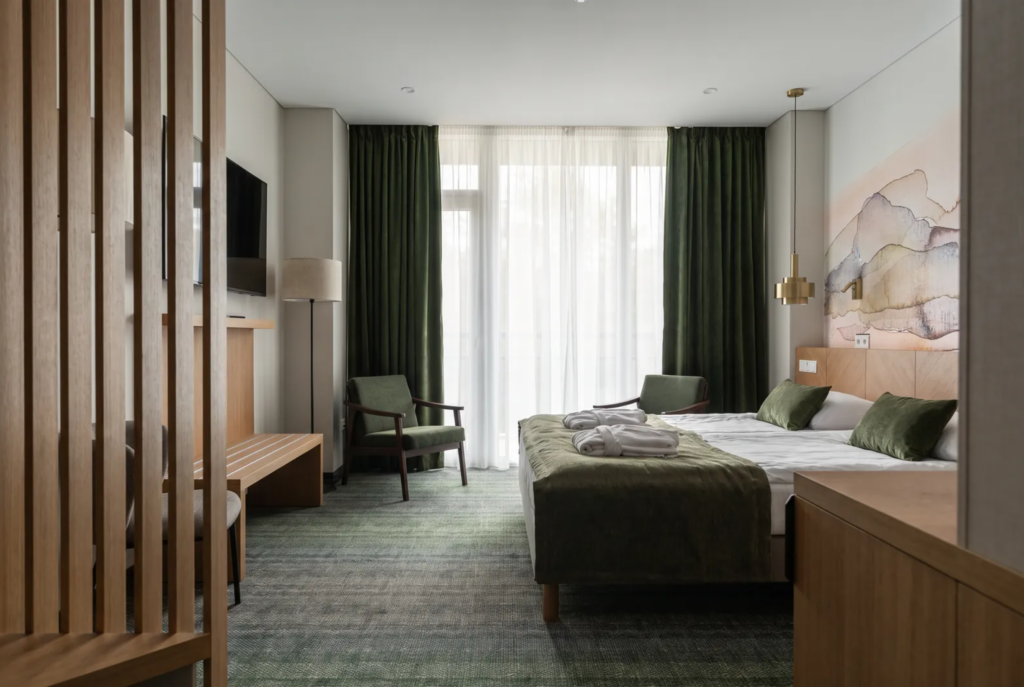
The interior of the refurbished complex features natural materials, calming colour schemes and durable finishes. Wood, stone, metal and granite dominate the spaces while materials with low levels of volatile organic compounds were chosen for the interior finishes. These design choices were intended not merely to achieve an aesthetic transformation – the intention was to create an environment that is calm, cosy and conducive to relaxation.
Sustainability principles were applied both in the selection of materials and throughout the construction works. Priority was given to long-lasting solutions; some materials were sourced in Lithuania and other European Union countries, while materials excavated during construction were reused on site where possible.
“Renovation projects always require greater precision and flexibility than new-build projects, as a large proportion of decisions are made by assessing the condition of existing structures and adapting new engineering solutions to the existing complex. In this project, we sought both to implement the planned architectural solutions and to ensure high quality of construction work, comfort and durability,” says Ernestas Šeženis, Managing Director of Conres.
An important stage of the refurbishment
According to A. Salda, the opening of ‘Comfort+’ marks an important stage in the infrastructure modernisation of Druskininkai, enabling a more consistent implementation of ‘Eglė’s’ approach to comfort as part of the wellness experience. The significance of the project has also been recognised by the international spa and wellness community – this year, it won in the ‘Innovative Medical Spa’ category at the European Spa Association’s (ESPA) Innovation Awards.
Alongside the client and the main contractor, ‘Conres’, ‘EIKA Development’ contributed to the implementation of the ‘Comfort+’ project as the construction management partner. According to the company, close collaboration between all parties involved was particularly important for a project of this scale.
“When working on a project of this scale, it is important not only to plan the work well, but also to ensure that all parties can reach agreement, respond promptly to changes and work together to find the best solutions. I am delighted that, together with the client, our partners and the entire project team, we have successfully completed this phase of the work – we have successfully renovated the ‘Comfort+’ complex. We are continuing to work consistently on the remaining stages of the project, maintaining the same focus on quality and adherence to agreed deadlines,” says Martynas Žibūda, Managing Director of EIKA Development.