‘Feel Younger, Age Better: Doctors Reveal How to Slow Down Ageing’
The numbers on our passports and how we feel don’t always go hand in hand. Sometimes we feel younger than we actually are, while at other times we feel older than our years. If either of these feelings sounds familiar, your biological age may differ from your chronological age.
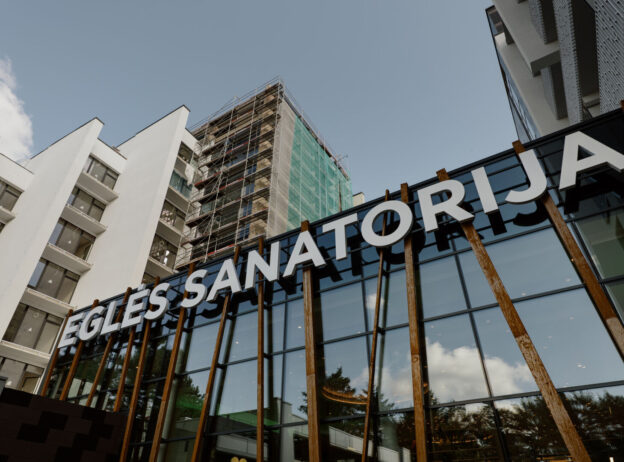
Dr Dovilė Naruševičiūtė, a doctor of physical medicine and rehabilitation at the ‘Eglė Sanatorium’ in Druskininkai, explains that in her practice she has met all sorts of people – from a 35-year-old woman taking blood pressure medication to an 86-year-old man who runs several kilometres every day.
“I suppose we all want to stay young for as long as possible, live a good quality of life, do everything we want to do, and enjoy the life we have. High blood pressure, diabetes, cardiovascular disease and other conditions are often the result of us not looking after our bodies properly. ‘If we have to take medication regularly, it’s a sign that we’re ageing sooner than we’d hoped,’ explains the doctor.
She is echoed by Viltė Baltramonaitytė, PhD in Psychology at the University of Bath, who researches indicators of biological age. Viltė Baltramonaitytė, who states that, in their pursuit of longevity, people often make one mistake – they look for quick fixes and ignore the fundamental pillars of health: sleep, physical activity and a healthy diet.
The experts discuss which bodily signals should not be ignored and how we can slow down the ageing process.
Don’t wait until you feel unwell
Research shows that factors such as lack of sleep, smoking, fast food and stress have a negative impact on our biological age.
“An unhealthy lifestyle widens the gap between our biological age and our actual age and contributes to various diseases. For example, there is an increased risk of developing cancer, chronic respiratory diseases, diabetes, high blood pressure, rheumatoid arthritis, mental health conditions and others,” – warns the doctor, adding that a sedentary lifestyle is also particularly harmful.
According to Dr D. Naruševičiūtė, we should start thinking about our biological age before we start feeling unwell.
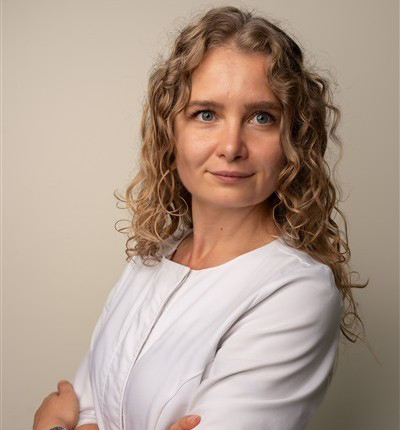
Dr Dovilė Naruševičiūtė, a doctor of physical medicine and rehabilitation at the ‘Eglė Sanatorium’
“The fact that prevention is the best form of treatment is nothing new. When we feel well, we tend to take our health and bodies for granted, assuming things will always stay that way. It is only when our bodies begin to cause us discomfort that we start looking for ways to help ourselves. If we are already experiencing symptoms, this is a clear sign that we need to take action. Often, this is what motivates us to make changes,” notes the doctor.
V. Baltramonaitytė agrees, urging us to pay attention to the signals our bodies send us.
“These can manifest as functional and metabolic changes, such as declining stamina, reduced muscle strength, impaired glucose regulation, increased visceral fat and lipid imbalances, all of which are associated with a higher cardiometabolic risk. Another sign is low-grade chronic inflammation, which may lead to more frequent fatigue and slower recovery from illness or stress,” the Doctor of Science explains, describing the signs that may indicate a biological age higher than one’s chronological age.
How can biological age be determined?
According to V. Baltramonaitytė, there is currently no single most reliable method for determining biological age, as different systems in the body often age at different rates; therefore, the most reliable picture is obtained by combining various indicators.
“One of the most advanced methods involves the use of epigenetic clocks, such as DunedinPACE and GrimAge, which are based on changes in DNA methylation. These clocks allow us to assess not only biological age but also the rate of ageing itself, as well as the associated risks of disease and mortality. However, they are still used primarily in scientific research and commercial programmes rather than in routine clinical practice,” says the expert.
She goes on to explain that, in everyday clinical practice, standard blood tests and physical fitness assessments are more commonly used, as they provide a good indication of metabolic and cardiovascular health and are readily available. “These data can be used to develop broader models of biological ageing and health risks by integrating molecular, metabolic and functional indicators.”
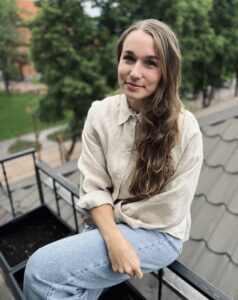
Viltė Baltramonaitytė, PhD in Psychology, University of Bath
When discussing what can help slow down biological ageing, V. Baltramonaitytė highlights three key factors: not smoking, regular physical activity and good-quality sleep.
“Smoking significantly accelerates the ageing process and increases the risk of many diseases, making avoiding it one of the most important steps towards maintaining good health. Physical activity helps maintain muscle strength and cardiovascular health while reducing inflammation. Good-quality sleep is essential for the body’s recovery, immune function and cellular regeneration,” says the longevity researcher.
Make time for yourself
D. Naruševičiūtė adds one more item to her colleague’s list – spa treatment. According to her, there are studies proving that sanatorium treatment is an excellent choice for reducing inflammation and stress, improving metabolism, detoxifying the body and, at the same time, reducing one’s biological age.
“A sanatorium helps you reconnect with your body through various treatments, engage all five senses and become more aware of your overall well-being. We have to admit that, living at such a fast pace, we become accustomed to reacting to external demands – ‘I don’t have time for this’, ‘I still need to do that’. Unfortunately, we no longer make time to listen to our bodies, recognise how we feel or ask ourselves whether we can keep up with such a demanding pace,” says the doctor.
The doctor points out that such a period can serve not only as treatment but also as a diagnostic tool. According to her, if a person leaves the sanatorium feeling completely different, it’s clear that changes are needed in their everyday life.
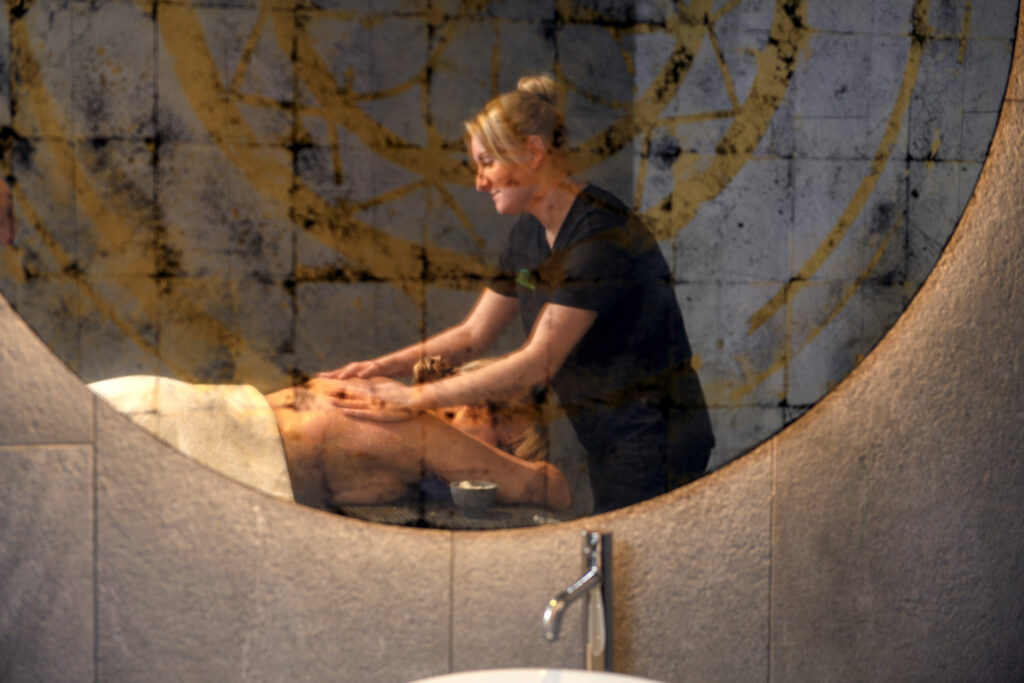
“A couple of days at the Druskininkai resort may not seem like much, but I’m sure many people have experienced the feeling that just a few days of rest can feel like several weeks. You can experience this at a sanatorium, provided you leave your worries at the door and truly take time for yourself – to reflect on your health, where you are in life, where you’re heading and how you feel. Most importantly, ask yourself: ‘Is the way I feel right for me?’” says D. Naruševičiūtė.
“If you’ve decided that you want to feel better, set aside time for one-to-one consultations and work with specialists to choose a health improvement plan that you can continue following at home.”
Water, exercise and mindfulness
The doctor highlights three things that we can and should take home with us from the sanatorium.
“As soon as you enter the sanatorium, you are greeted by a mineral water fountain. Mineral water is both a remedy and a reminder that water is essential to our health. To keep our bodies functioning well, we need to drink enough water. Although many people experience some discomfort when they first start increasing their water intake, I like to say that, over time, even parched ground becomes well-watered. The body gradually gets used to drinking more water, and everything falls into place,” the doctor reminds us.
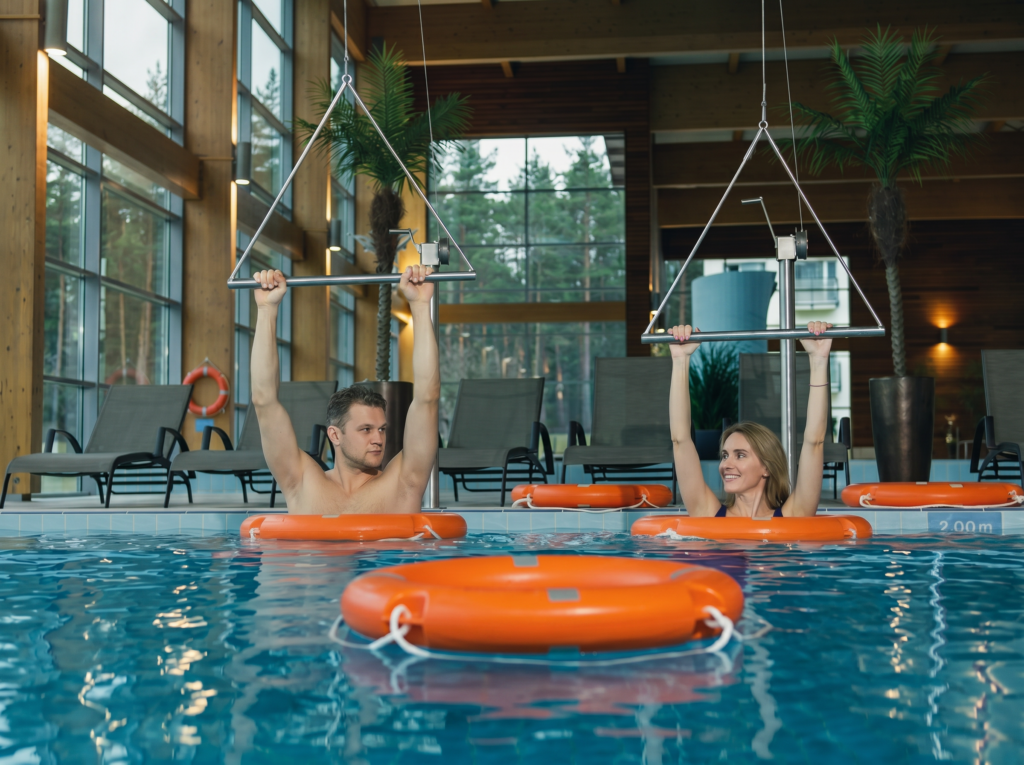
Secondly, D. Naruševičiūtė highlights the importance of staying active: “You have to make an effort to attend every treatment session. In other words, if you want to achieve something positive, you have to put in the effort. This principle applies to life in general. Choose forms of physical activity that benefit your health. You can start with small changes, such as parking your car as far away as possible in the car park at work or at a shopping centre. This gives you an opportunity to get some fresh air and take a few deep breaths while walking. It helps calm the nervous system, restore balance in the body, improve mental clarity and increase productivity.”
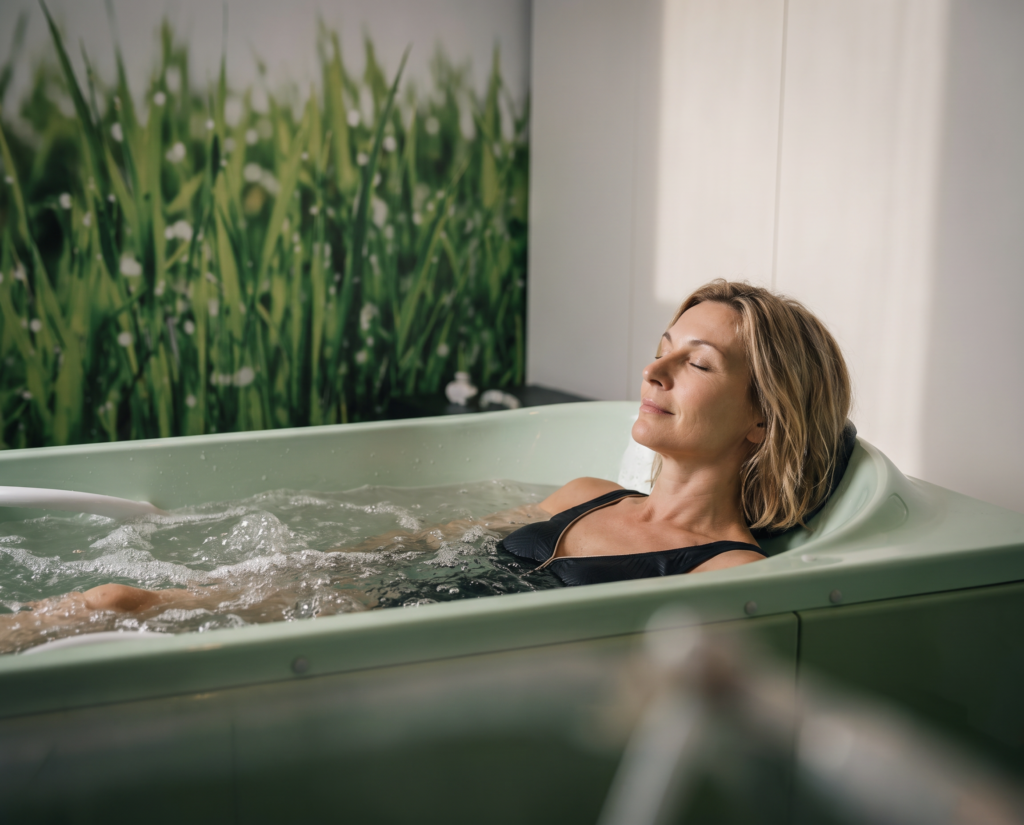
“Ultimately, if someone has chosen to visit a health resort, it means they have made a conscious decision to do so – nobody has forced them. This is exactly what I would like to encourage everyone to do: make a conscious decision to take care of themselves and their health. Even after a day at work, find 15–20 minutes for a heat treatment, strength training or breathing exercises.
Find a lifestyle that suits you, helps you maintain a healthy, comfortable body and reduces the risk of future illness. Many health problems are associated with a sedentary lifestyle, stress and insomnia. These are factors we can often address ourselves, thereby helping to slow down the ageing process,” concludes D. Naruševičiūtė.